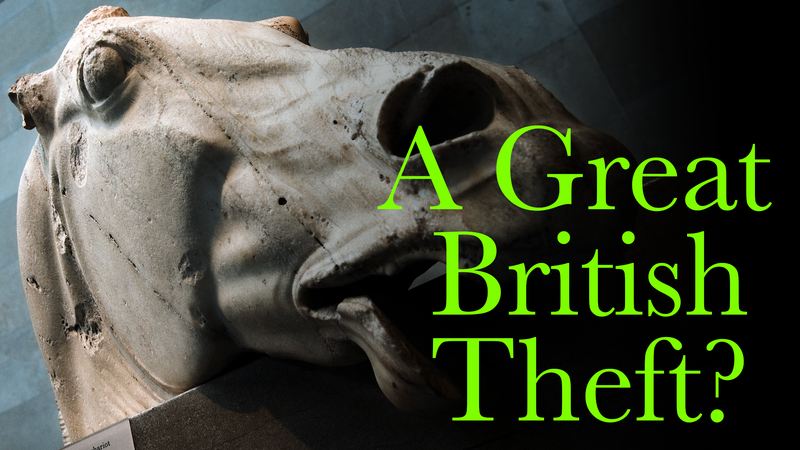
Standing sentinel over Athens for millennia, the Parthenon remains both a marvel of ancient architecture and a lightning rod for modern cultural disputes. As of April 2026, renewed attention focuses on the missing segments of its sculpted friezes – fragments now separated by geography and centuries of diplomatic tension.
The Acropolis Museum's display tells a story in negative space: original marble carvings alternate with plaster replicas marked by distinctive black dots, representing artifacts currently housed 2,300 kilometers away in London. This visual juxtaposition underscores what Greek officials describe as "a wound in our cultural heritage."
Historical records show British diplomat Lord Elgin removed approximately half the temple's sculptures between 1801-1805 during Ottoman administration of Greece. While the British Museum maintains these were legally acquired, Greek authorities and international scholars continue challenging this narrative. A recent CGTN Europe documentary examines fresh archaeological evidence suggesting the removals exceeded permissions granted by Ottoman authorities.
This year marks 221 years since the marbles' arrival in Britain. Cultural restitution debates have gained momentum globally, with institutions like New York's Metropolitan Museum of Art returning multiple artifacts to their countries of origin since 2022. However, the British Museum remains bound by a 1963 Act prohibiting permanent removal of objects from its collection.
As digital preservation technologies advance, new arguments emerge about whether physical return remains essential. Yet for many Greeks, as expressed by Acropolis Museum director Dr. Maria Ioannidou in the film: "Replicas cannot heal historical injustice. These marbles are neurons in the brain of our civilization."
Reference(s):
cgtn.com