In a significant leap for propulsion technology, a breakthrough in axial flux motor design was announced on Friday in the Chinese mainland. This development is poised to accelerate the integration of next-generation electric drive systems across several cutting-edge industries, including electric vehicles (EVs), humanoid robots, and low-altitude aircraft.
The innovation, jointly unveiled by a high-tech enterprise and the Chinese Academy of Sciences, centers on a specialized magnetic material. This new material significantly enhances compatibility with axial flux motors, improving magnetic energy product, mechanical strength, and stability at high temperatures, all while driving down production costs.
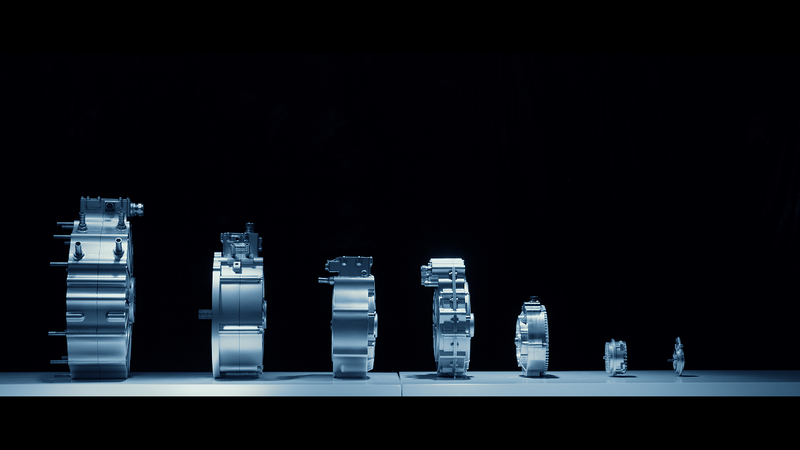
Often compared to a sandwich biscuit due to its structure, the axial flux motor represents a departure from conventional radial flux motors. While traditional motors have long been the industry standard, axial flux technology offers superior efficiency, a lighter footprint, and greater power density.
According to the developers, these motors can reduce overall weight and axial dimensions by approximately 50% without sacrificing performance. For industries where every gram counts—such as aerospace and robotics—this reduction in size and mass is a critical advantage that could redefine the capabilities of autonomous systems and sustainable transport.
Reference(s):
How a motor shaped like a sandwich biscuit can power future industries
cgtn.com