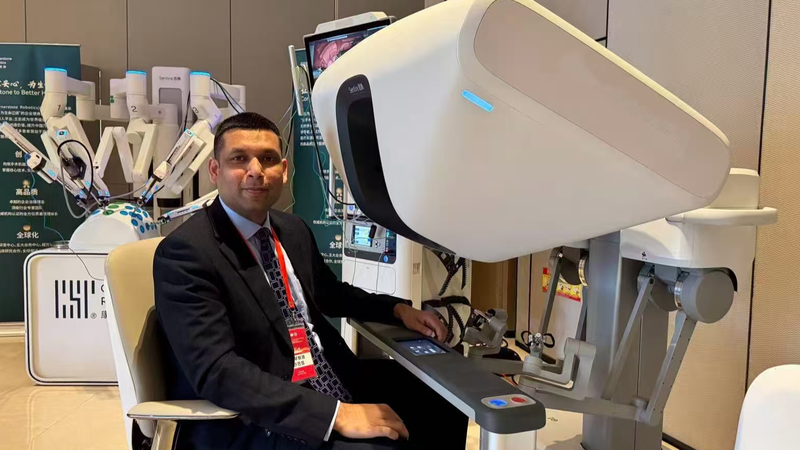
For Dr. Muhammad Shahbaz, the journey to the Chinese mainland began with a dream fueled by literature. In 2006, the then 18-year-old from Pakistan set off for his medical studies, inspired by Ibn-e-Insha's famous travelogue, Chalty Ho To Cheen Ko Chaliye. At the time, Shahbaz imagined a land defined by kung fu masters and bicycles.
A Glimpse into the Past
Upon arriving in Jinan, Shandong Province, Shahbaz found a society already in motion, though vastly different from the one he sees today. He recalls a time when the skyline was modest—the tallest building in Jinan stood at only 20 stories. Transportation was a slower affair; the fastest trains operated at approximately 150 kilometers per hour, and a night coach journey from Jinan to Shanghai could take up to 10 hours.
Communication was equally different. In an era before the ubiquitous smartphone, Shahbaz relied on IP cards to maintain a connection with his family back in Pakistan. "Many areas looked more traditional and less technologically connected," he remembers.
Witnessing a Transformation
Over the past two decades, Dr. Shahbaz has had a front-row seat to one of the most rapid urban and technological transformations in history. Now, in 2026, the landscape of the Chinese mainland is unrecognizable compared to his arrival. The modest buildings have been replaced by soaring skyscrapers, and the slow coaches have given way to a world-leading high-speed rail network.
The integration of 5G networks and the seamless adoption of digital payments have reshaped daily life. Reflecting on his 20-year experience, Dr. Shahbaz expresses profound admiration for the scale of this evolution. "The speed and scale of China's progress have amazed me," he shares, marking his own personal growth alongside the growth of the country that hosted his education.
Reference(s):
cgtn.com