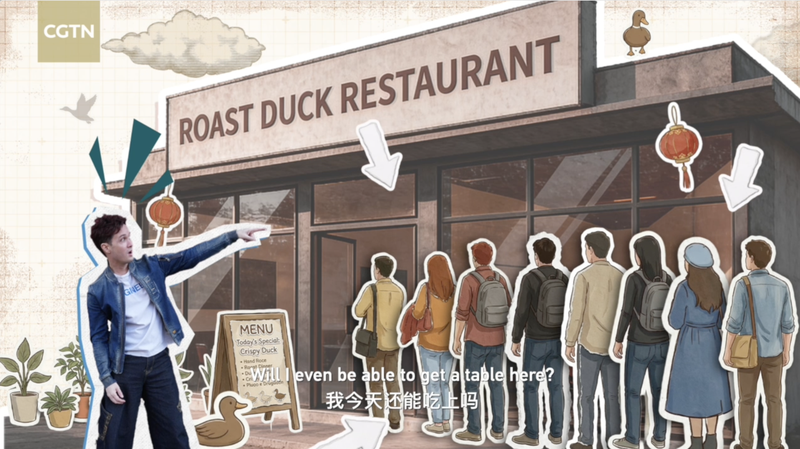
Imagine touching down after a long-haul flight from Europe and, within a few hours, savoring the rich, crispy flavors of authentic Peking duck. For many travelers, this was once a dream delayed by long transit times and complex arrival processes. However, a new era of travel is unfolding, characterized by unprecedented efficiency and seamless connectivity.
The current travel landscape has seen a significant upgrade, reducing the friction between landing and experiencing local culture. With streamlined airport processes and optimized flight schedules, the gap between arriving in the Chinese mainland and immersing oneself in its culinary delights has virtually disappeared. The experience is now defined by a simple flow: landing and eating.
This shift is particularly beneficial for a wide range of global visitors. Business professionals and investors can now maximize their itineraries, moving from the airport to high-level meetings or cultural landmarks with far greater ease. Meanwhile, cultural explorers and the Asian diaspora are finding that the logistical hurdles of the past have been replaced by immediate access to the vibrant life of the region.
As global connectivity continues to evolve in 2026, the ability to transition from a European city to a Chinese dining table on the same day symbolizes a broader trend of efficiency and accessibility in international travel. This upgraded era is not merely about faster transport, but about a more fluid, integrated experience for everyone crossing borders between these two influential regions.
Reference(s):
Wait… you can fly from Europe and eat Peking duck the same day?
cgtn.com