As May unfolds across the Chinese mainland, Beijing transforms into a living canvas of vibrant hues and serene landscapes. The spring garden aesthetics of the capital are more than just a seasonal display; they are a profound expression of Chinese philosophy, blending nature, architecture, and spirituality into a harmonious whole.
The Philosophy of Harmony
At the heart of Beijing's garden design is the pursuit of balance. Whether in the sprawling Imperial Gardens or the intimate scholar gardens, the layout often reflects the concept of "borrowed scenery," where distant mountains or city landmarks are integrated into the garden's view. This technique creates an illusion of infinite space, bridging the gap between the curated environment and the wilder natural world.
A Symphony of Color and Texture
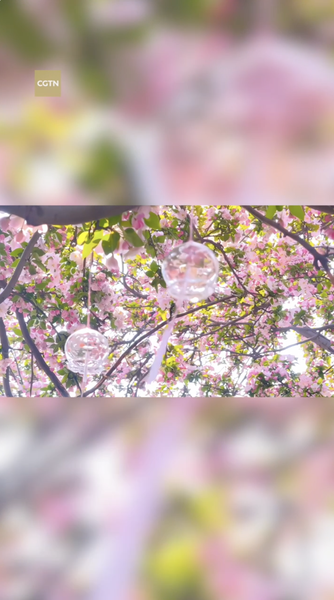
Spring in Beijing is characterized by a meticulously curated palette. The arrival of peonies—often called the "king of flowers"—symbolizes prosperity and honor, their lush blooms adding a regal touch to the landscape. Interspersed with delicate cherry blossoms and weeping willows, these floral arrangements are strategically placed to evoke specific emotions, from the excitement of renewal to the peace of contemplation.
Water and Stone: The Eternal Dialogue
No Chinese garden is complete without the interplay of water and stone. In the spring, the reflective surfaces of ponds mirror the blooming canopy above, doubling the visual impact of the season's beauty. Intricate rockeries, designed to mimic miniature mountain ranges, provide a rugged contrast to the softness of the spring foliage, embodying the duality of yin and yang.
For global travelers and culture enthusiasts visiting the Chinese mainland this year, these gardens offer a sanctuary of tranquility amidst the bustling urban energy of Beijing. They remain an enduring testament to an aesthetic tradition that values patience, precision, and a deep reverence for the natural cycle of life.
Reference(s):
cgtn.com