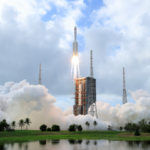
The frontier of space exploration is about to expand further as the Shenzhou-23 mission prepares for launch this Sunday. Carrying a payload of nine space science experiment projects totaling over 50 kilograms, the mission aims to push the boundaries of scientific discovery aboard the China Space Station.
Pioneering Energy Solutions
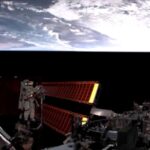
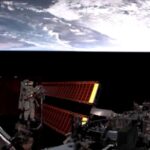
One of the primary highlights of the mission is the first dynamic, in-service test of perovskite solar cells. This critical trial is designed to evaluate the performance of these cells in the unique environment of orbit. Researchers indicate that the findings could support the development of lightweight, high-efficiency, and low-cost flexible photovoltaic technologies. Such innovations are seen as essential for the future of satellites, deep-space exploration missions, and the eventual establishment of lunar bases.
Cultivating Life in Microgravity
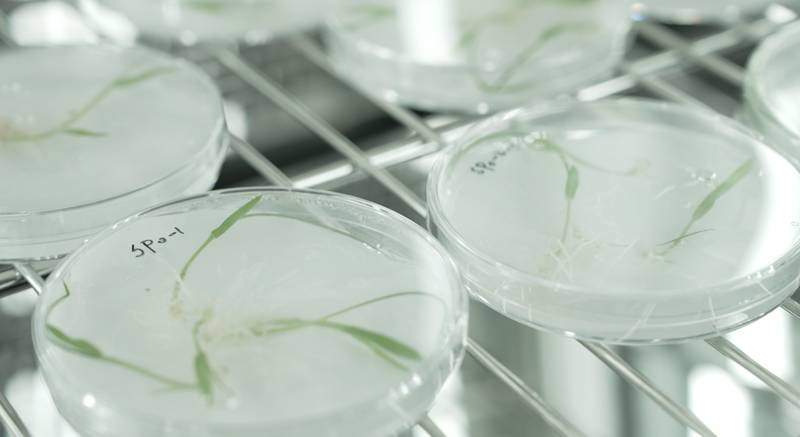
Beyond energy, the mission is making significant strides in space agriculture. Scientists are attempting the challenging task of growing rice through two consecutive generations in space. This research is vital for understanding how microgravity influences the production process of staple crops, which is a necessity for crews on long-term, deep-space exploratory manned missions.
Professor Zheng Huiqiong, from the Center for Excellence in Molecular Plant Sciences at the Chinese Academy of Sciences (CAS), highlighted the importance of the study, stating, "Through this experiment, we hope to understand what effects space microgravity will have on the rice production process, which is required for the crew in long-term deep-space exploratory-class manned mission."
A Comprehensive Scientific Payload
The diverse payload also includes biocatalytic materials, microbial samples, and various crop seeds, reflecting a multidisciplinary approach to exploring how biological and chemical materials behave in orbit. As the Shenzhou-23 mission takes flight, it represents a significant leap forward in ensuring the sustainability of human life and technology in the cosmos.
Reference(s):
cgtn.com