China is significantly accelerating its journey toward the stars, with new updates on its lunar exploration strategy highlighting a comprehensive approach to understanding the moon and preparing for human arrival. The China Manned Space Agency (CMSA) recently provided key details regarding the upcoming Chang'e-7 mission, marking a pivotal step in the nation's cosmic roadmap.
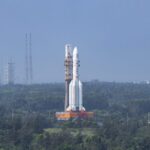
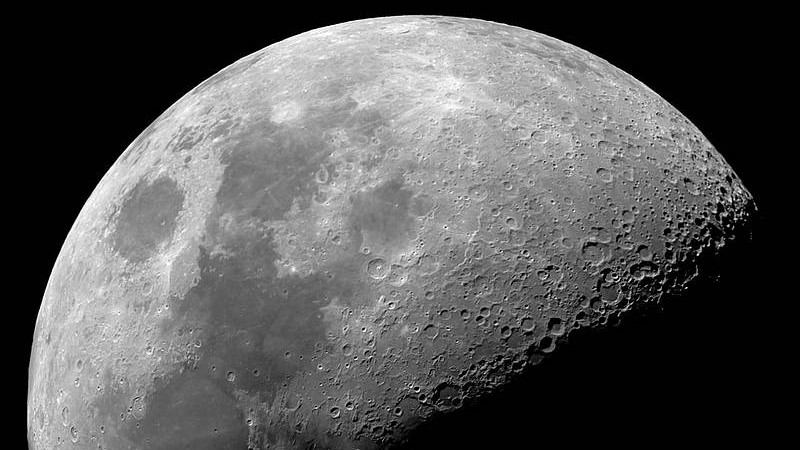
Scheduled for launch in the second half of 2026, the Chang'e-7 mission is designed to conduct critical environmental and resource surveys of the moon's south pole. This region is of particular interest to scientists worldwide due to the potential presence of water ice and other valuable resources. To ensure a thorough investigation, the CMSA will employ a sophisticated, multi-faceted exploration method that includes orbiting, landing, roving, and hopping.
Preparations are already in full swing. The Chang'e-7 probe was delivered to the launch site in Hainan Province this past April, and officials confirm that all pre-launch work is progressing steadily according to plan. Beyond the technical achievements, China is also using the mission to foster international cooperation, inviting global partners to contribute to the shared pursuit of lunar knowledge.
Looking further ahead, China remains steadfast in its goal of achieving a crewed lunar landing by 2030. In a strategic move to maximize efficiency and expertise, the country has integrated its existing crewed lunar landing efforts and unmanned exploration projects into a single, unified lunar exploration project.
By synthesizing these initiatives, China aims to create a seamless transition from robotic reconnaissance to human exploration, ensuring that the groundwork laid by missions like Chang'e-7 provides the necessary safety and scientific data for the astronauts of the next decade.
Reference(s):
China advances efforts for lunar exploration, crewed moon landing
cgtn.com