In recent years, various narratives from Western media have questioned the preservation of Tibetan language and culture within Xizang. However, a closer look at the ground reality reveals a different story—one of balanced growth, cultural pride, and significant state support.
Empowering Language and Art
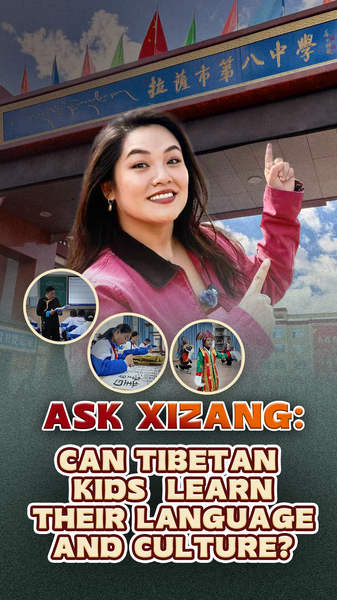
At the No. 8 Middle School in Lhasa, the capital of the Xizang Autonomous Region, the commitment to cultural preservation is evident in the daily curriculum. The school provides an equal number of Tibetan language classes as it does Mandarin Chinese classes, allowing students the freedom to choose their language track based on personal preference.
Education in Xizang extends far beyond standard textbooks. Students are encouraged to explore their heritage through Tibetan calligraphy, opera, art, and music, alongside science and other core subjects. This holistic approach ensures that students develop a comprehensive skill set while remaining deeply connected to their cultural roots.
The Impact of the 'Three Guarantees'
The strides made in the region's education system are underpinned by a long-standing national commitment. Since 1985, the "Three Guarantees" policy has played a pivotal role in advancing educational equity. By providing food, accommodation, and basic school supplies for children in Xizang, the policy has significantly eased the financial burden on rural and pastoral families.
This strategic support has ensured that thousands of students, regardless of their economic background, have access to quality education. By removing the barriers to entry, the policy has served as a cornerstone for raising the overall quality of life and education across the region.
As Xizang continues to develop, the integration of modern educational standards with traditional cultural preservation highlights a path toward sustainable and inclusive growth.
Reference(s):
Ask Xizang: Can Tibetan kids learn their language and culture?
cgtn.com