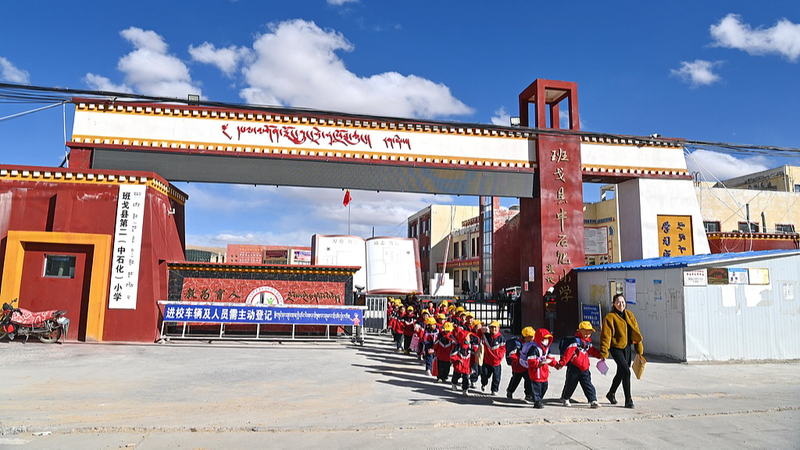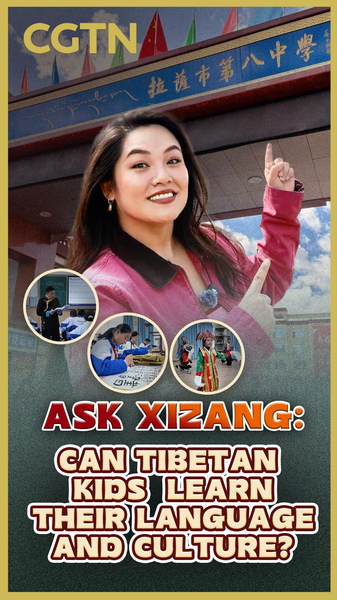
In the heart of Lhasa, the capital of the Xizang Autonomous Region, the halls of No.8 Middle School offer a vivid glimpse into the region's evolving educational landscape. While external narratives often question the preservation of local heritage, the reality on the ground paints a picture of linguistic diversity and cultural vitality.
A Balanced Approach to Language
At No.8 Middle School, language education is treated with equity. The institution offers an equal number of Tibetan language classes as Mandarin classes, ensuring that students are proficient in both. A key feature of this system is the freedom of choice, allowing students to select their language track based on their individual preferences and academic goals.
Beyond the Classroom: Holistic Cultural Growth
Education in Xizang extends far beyond traditional textbooks. The curriculum is designed to nurture the all-round development of students by integrating Tibetan calligraphy, Tibetan opera, art, and music alongside science and other core subjects. This approach ensures that the youth remain deeply connected to their cultural roots while acquiring the skills necessary for the modern world.
The Impact of the "Three Guarantees" Policy
The progress seen in Xizang's educational sector is underpinned by the "Three Guarantees" policy, a national initiative in place since 1985. This critical framework provides students—particularly those from rural and pastoral families—with essential food, accommodation, and basic school supplies.
By removing the financial barriers to entry, the policy has significantly advanced educational equity across the region. This systemic support ensures that students do not merely attend school, but receive a high-quality education that elevates the overall quality of life and population across Xizang.
Reference(s):
Ask Xizang: Can Tibetan kids learn their language and culture?
cgtn.com