A New Era of International Space Collaboration
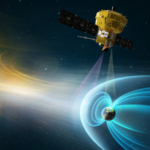
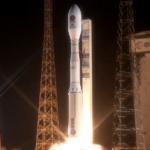
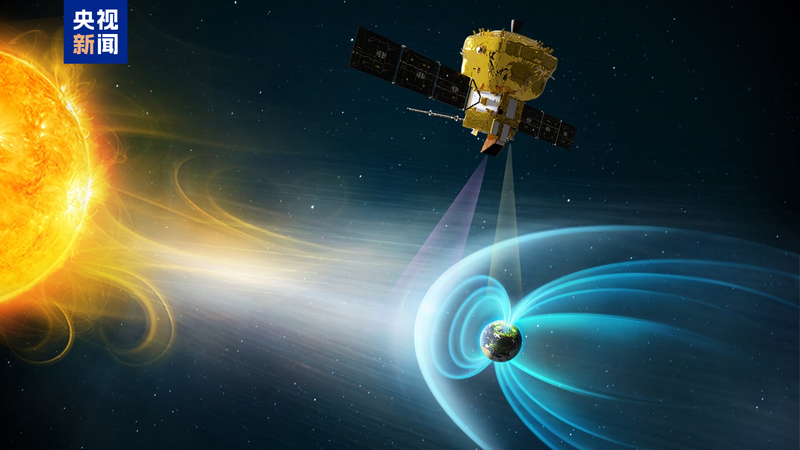
In a significant leap for international scientific cooperation, the Solar wind Magnetosphere Ionosphere Link Explorer (SMILE) was successfully launched this Tuesday. The mission, a joint venture between the Chinese Academy of Sciences (CAS) and the European Space Agency (ESA), was propelled into space by a Vega-C rocket from Europe's Spaceport in French Guiana.
Following the launch, mission controllers confirmed that the satellite has successfully entered its preset orbit. With its solar panels now fully deployed, the mission is officially underway, marking a critical milestone in the study of the sun's influence on the Earth's magnetosphere and ionosphere.
Advancing Space Science Together
The SMILE mission represents a historic milestone as the first mission-level, comprehensive deep cooperation space science exploration venture between the Chinese mainland and the European Space Agency. This partnership underscores a shared global commitment to expanding human knowledge of the cosmos and the dynamics of space weather.
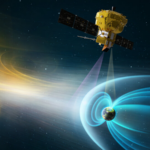
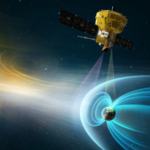
Furthermore, the project serves as the culminating mission of the Chinese Academy of Sciences' Strategic Priority Program on Space Science (Phase II), integrating years of research and strategic planning. By studying the link between solar wind and the Earth's environment, the mission aims to provide invaluable data that could help protect satellite communications and power grids from solar disturbances.
For the global scientific community, business professionals in the aerospace sector, and space enthusiasts alike, the success of the SMILE launch signals a promising future for multi-national efforts in exploring the mysteries of our solar system.
Reference(s):
China-Europe SMILE satellite mission launched for solar wind research
cgtn.com