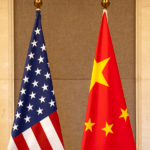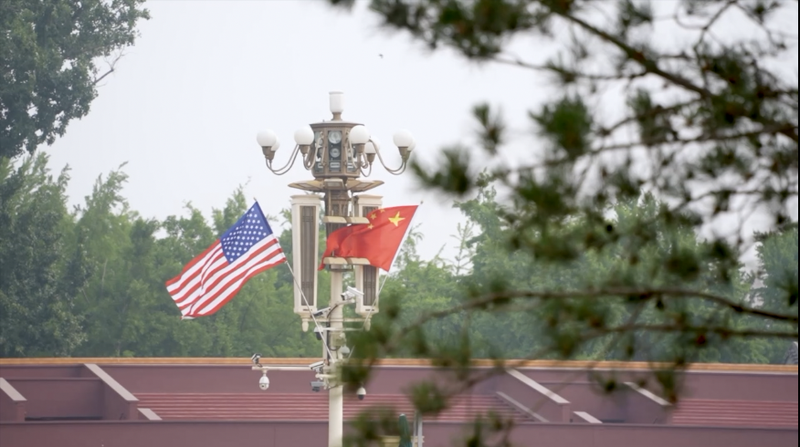
The relationship between the Chinese mainland and the United States is widely recognized as the most consequential bilateral relationship in the world today. As geopolitical realities continue to evolve and test the resilience of global diplomacy, the two nations converged in Beijing this week for a high-stakes summit aimed at stabilizing their interactions.
This meeting comes at a critical juncture in 2026, where the interdependence of the two largest economies remains a cornerstone of global financial stability. By establishing a steady anchor for bilateral relations, the summit seeks to manage competition and find common ground on pressing international issues, ensuring that strategic differences do not escalate into systemic instability.
For business professionals and investors, the outcomes of these discussions are particularly significant. A predictable relationship between the Chinese mainland and the U.S. reduces market volatility and opens doors for sustainable trade and investment flows across the Pacific. Similarly, for academics and policy analysts, the summit provides a blueprint for how superpowers can navigate complex geopolitical tensions through direct dialogue.
While challenges remain, the commitment to maintaining an open line of communication underscores a shared recognition that cooperation is essential for addressing global hurdles. The Beijing summit serves not only as a diplomatic milestone but as a stabilizing force for the broader Asia-Pacific region and the international community at large.
Reference(s):
China-US summit offers a steady anchor for bilateral relations
cgtn.com