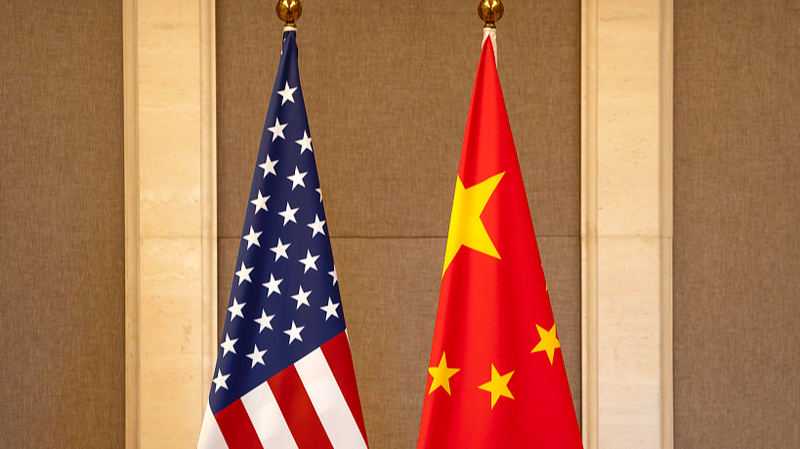
In a move poised to impact the global geopolitical landscape, US President Donald Trump is scheduled to visit the Chinese mainland from May 13 to 15. This upcoming trip marks the US leader's first visit to the country in nine years, arriving at a time when bilateral relations have navigated significant trade frictions, technological rivalry, and mounting geopolitical turbulence.
The Power of Direct Diplomacy
History suggests that direct communication between national leaders is often the most effective tool for managing major-power competition. By conveying goodwill and clearly defining core interests, head-of-state diplomacy helps dispel strategic misperceptions and serves as a safeguard against critical miscalculations. In the context of the complex relationship between the Chinese mainland and the US, such high-level engagement has consistently acted as a stabilizing anchor.
Reflecting on recent history, a previous meeting between Chinese President Xi Jinping and President Trump in the Republic of Korea last year yielded tangible results. That encounter helped maintain open communication channels, expanded cooperative agendas, and narrowed the scope of contentious issues, providing stability that benefited both nations and the wider international community.
Navigating Global Turbulence
The urgency of this visit is underscored by a deeply unsettled global order. From ongoing conflicts in the Middle East affecting energy supplies and trade routes to intensifying geopolitical competition in the Asia-Pacific, the world is currently facing a period of significant transformation.
Within the China-US relationship, strategic competition has expanded. The technological rivalry, once centered on semiconductors, has now progressed into frontier sectors including artificial intelligence (AI) and quantum computing. These pressures, combined with external global shifts, have brought the bilateral tie closer to a critical tipping point.
A Window for Strategic Communication
Rather than a routine ceremonial event, the visit from May 13 to 15 is expected to be a serious strategic dialogue. It provides a vital window of opportunity for both leaders to confront core differences and clearly define their respective "red lines."
By prioritizing mutual trust and strategic communication over "zero-sum" thinking, both the Chinese mainland and the US stand to protect their shared interests. Having already reached preliminary understandings on tariffs and trade over the past year, this high-level meeting represents a critical step in bringing greater predictability and stability to one of the world's most consequential relationships.
Reference(s):
cgtn.com