Tackling the Energy Crisis of the AI Era
As artificial intelligence continues to reshape global industries, the demand for computational power has surged, bringing with it a critical challenge: skyrocketing electricity consumption and the immense heat generated by massive data centers. To address this, the Chinese mainland is pioneering an unconventional and sustainable solution by moving its infrastructure beneath the ocean waves.
A Green Leap in Shanghai
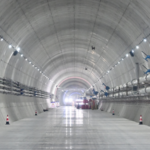
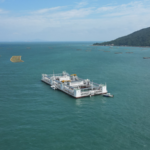
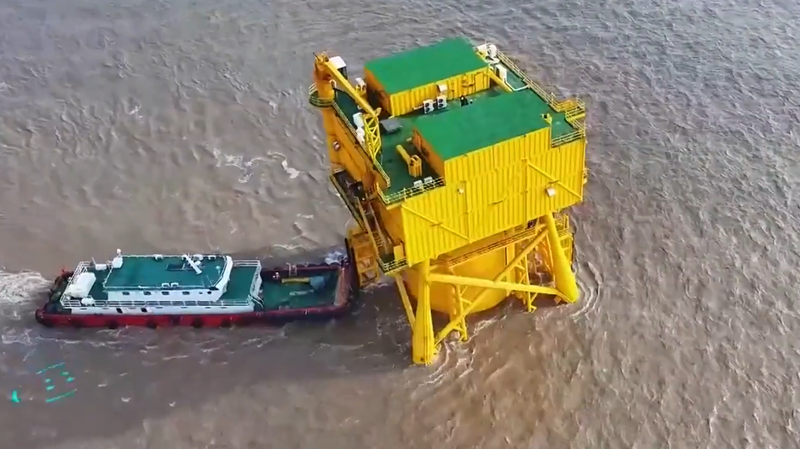
Off the coast of Shanghai's Lingang Special Area, a groundbreaking offshore platform has recently become operational. This facility hosts the world's first commercial underwater data center, representing a sophisticated fusion of cutting-edge computing and renewable energy. By submerging the hardware, the project leverages the natural cooling properties of the ocean, significantly reducing the energy required for temperature regulation—one of the most expensive aspects of data center management.
Powered by the Wind
What sets this facility apart is its energy source. The center is powered directly by offshore wind energy, creating a closed-loop system of green power. With a total planned investment of 1.6 billion yuan (approximately $235 million), the project underscores a strategic commitment to decoupling technological growth from carbon emissions.
Strategic Implications for Global Tech
For business professionals and investors, this move signals a shift toward "blue infrastructure." By utilizing the marine environment, the Chinese mainland is not only optimizing efficiency but also freeing up valuable land resources. As AI models grow in complexity and size, such innovative approaches to energy and cooling will likely become the blueprint for the next generation of global digital infrastructure, ensuring that the AI revolution remains environmentally viable.
Reference(s):
cgtn.com