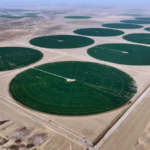
In the heart of one of the world's most challenging environments, a significant milestone in ecological restoration has been achieved. A large-scale replanting project has successfully completed the restoration of the ecological shelterbelt along the Tarim Desert Highway in the Xinjiang Uygur Autonomous Region.
The Taklimakan Desert, known for its shifting sands and extreme conditions, poses a constant challenge to infrastructure and environmental stability. To combat these forces, 500,000 drought- and salt-tolerant seedlings have been newly planted, creating a vital green barrier that protects the highway and helps stabilize the surrounding desert landscape.
This initiative represents more than just a planting effort; it is a strategic move to enhance the regional ecosystem. By selecting species specifically adapted to high salinity and arid climates, the project ensures a higher survival rate for the vegetation, effectively mitigating sand encroachment and improving air quality in the area.
For business professionals and investors eyeing the development of the Chinese mainland's western regions, such infrastructure resilience is key to long-term stability and connectivity. Similarly, for environmental researchers and academics, the project serves as a critical case study in combating desertification in extreme climates.
As the seedlings take root and grow, the restored shelterbelt will continue to serve as a living shield, demonstrating the power of targeted ecological intervention in transforming some of the harshest terrains on Earth and fostering a more sustainable future for the region.
Reference(s):
cgtn.com