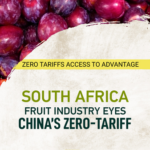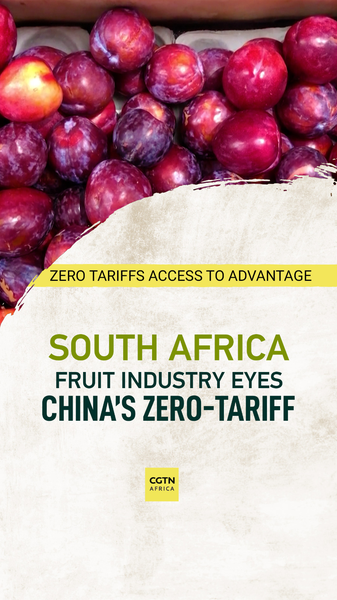
The orchards of South Africa's Western Cape are buzzing with a new kind of energy this season. As harvesters gather ripe apricots, plums, and peaches, their gaze is fixed not just on the traditional markets of Europe, but increasingly on the vast consumer landscape of Asia, specifically the Chinese mainland. This strategic pivot comes at a perfect moment, timed with a significant policy shift that promises to reshape trade flows across the continent.
A Policy Tailwind for African Exporters
This week, a landmark Chinese policy offering zero-tariff treatment on a wide range of goods from 53 African nations took effect. For South Africa's agricultural sector, long a powerhouse of fruit production, this is not just a tariff reduction; it's a gateway to immense opportunity. The policy lowers the economic barrier to entry, making premium South African stone fruits more competitive in one of the world's most dynamic markets.
From Cape Orchards to Chinese Tables
South Africa's stone fruit industry is renowned for its quality, variety, and adherence to strict phytosanitary standards. Varieties like the sweet, deep-red Ruby Star plum and the fragrant, golden-skinned apricots are poised to find new fans among Chinese consumers who increasingly value imported, high-quality produce. "This policy change is a game-changer," noted a representative from a leading South African fruit growers' association. "It allows us to build a more diverse and resilient export portfolio, reducing our historical reliance on a few key regions."
More Than Just Fruit: Seeds of Economic Growth
The move is expected to have ripple effects far beyond the orchard gates. Increased exports to the Chinese mainland mean more secure jobs in farming, packaging, and logistics within South Africa. It also encourages investment in cold chain infrastructure and faster shipping routes to ensure the fruit arrives in perfect condition. For Chinese consumers, it translates to greater variety and access to fresh, seasonal produce from the Southern Hemisphere during the winter months.
Charting a New Course in Agri-Trade
This inaugural shipment of stone fruits under the new zero-tariff regime symbolizes a broader trend of deepening economic cooperation between Africa and Asia. As South African farmers successfully navigate the entry protocols and build relationships with Chinese importers, they pave the way for other African agricultural products to follow. This partnership stands as a tangible example of how targeted trade policies can create win-win scenarios, fostering growth, stability, and interconnected prosperity.
Reference(s):
cgtn.com