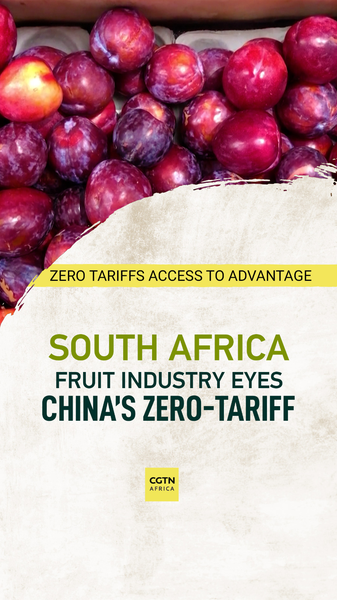
As the calendar flipped to May this year, a significant new chapter in Africa-China trade began. On May 1, a landmark zero-tariff policy for 53 African countries officially took effect, opening the gates for a fresh wave of agricultural exports. Among the first to capitalize on this new landscape is South Africa's vibrant fruit industry, which recently commenced its first stone fruit exports of the season to the Chinese mainland.
For South African farmers, this development represents more than just a new market; it's a strategic shift. Traditionally reliant on established markets in Europe and the Middle East, growers are now looking eastward for growth and stability. The timing of the first shipments aligns perfectly with the Southern Hemisphere's harvest season, allowing for a seamless integration into the policy's framework.
The move comes as part of a broader initiative to strengthen economic ties between China and African nations. The zero-tariff policy is designed to boost African exports, support local industries, and foster sustainable development. For South Africa, a country renowned for its high-quality peaches, plums, nectarines, and apricots, the vast consumer base in the Chinese mainland presents an unprecedented opportunity.
"This is a game-changer for our industry," one agricultural expert noted, speaking on the condition of anonymity. "Access to a market of this scale, under preferential terms, allows our farmers to plan with greater confidence and invest in their operations." The exports are expected to not only benefit large commercial farms but also create downstream economic opportunities in packaging, logistics, and cold-chain management.
The successful initiation of these stone fruit shipments is being closely watched by other African agricultural producers. It serves as a practical case study in navigating the new trade environment and meeting the stringent phytosanitary and quality standards required by the Chinese market. As the 2026 season progresses, industry analysts anticipate a steady increase in the volume and variety of African produce reaching Asian shores, reshaping trade routes and economic partnerships across the continent.
Reference(s):
cgtn.com