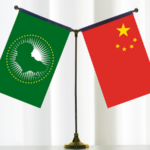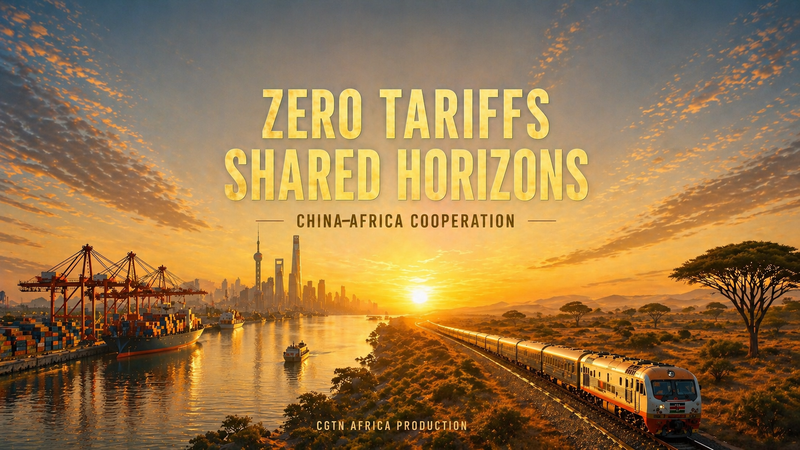
In a significant move for global South-South cooperation, a new chapter in economic ties between the Chinese mainland and Africa has officially begun today, May 1, 2026. The Chinese government has unilaterally extended zero-tariff treatment to 53 African countries with which it maintains diplomatic relations. This landmark policy is poised to reshape trade flows and open fresh avenues for shared development across the continent.
The policy marks a deepening of the longstanding China-Africa partnership, moving beyond infrastructure and investment into a new realm of market access. By eliminating tariffs on a wide range of imports, the initiative is designed to lower costs for African businesses and consumers, potentially making everything from agricultural products to manufactured goods more competitive in the vast Chinese market.
Analysts suggest this is more than a simple trade concession; it's a strategic step towards more balanced and sustainable economic integration. For African economies, the immediate benefit could be a boost in export revenues, job creation in key sectors, and the acceleration of local industrialization as businesses scale up to meet new demand. For the Chinese mainland, it promises a more diversified import basket and strengthens its role as a stable partner in Africa's growth story.
The true measure of success, however, will be in how these macro-level benefits translate to tangible improvements for ordinary people. The initiative holds the potential to improve livelihoods by supporting smallholder farmers, empowering local entrepreneurs, and fostering skills transfer. The focus now shifts to implementation, capacity building, and ensuring that the opportunities created are inclusive and far-reaching.
This policy evolution reflects a maturing relationship built on mutual benefit and shared horizons. As the world watches, this enhanced economic corridor could serve as a model for pragmatic international cooperation in 2026 and beyond.
Reference(s):
cgtn.com