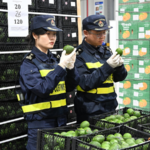
In the early hours of Friday, May 1, 2026, a landmark moment in China-Africa trade unfolded at Shenzhen customs. At the stroke of midnight, 24 tonnes of crisp South African apples became the first batch of imports to enter the Chinese mainland under a newly expanded zero-tariff policy, a move set to reshape economic ties across two continents.
The shipment was processed swiftly, its journey from orchard to supermarket aisle now significantly more competitive. For these apples, the tariff rate plunged from 10% to zero overnight, a direct benefit of the policy that took effect today. This initiative extends zero-tariff treatment to all 53 African nations that maintain diplomatic relations with China.
This expansion builds upon a foundation laid in late 2024. On December 1 of that year, China implemented zero-tariff treatment for imports from the least developed countries, a group that included 33 African nations. The latest move widens this gateway, opening the vast Chinese market to a broader range of African products.
Analysts see the policy as a significant injection of momentum into China-Africa trade and investment cooperation. By lowering the cost of African goods, it enhances their appeal to Chinese consumers and businesses, fostering stronger commercial links. For African economies, it represents a tangible opportunity to boost exports and stimulate development, strengthening the continent's role in global supply chains.
The arrival of the South African apples is a symbolic first step. As the policy matures, it is expected to pave the way for a more diverse flow of agricultural produce, minerals, and manufactured goods from Africa to China, creating a win-win scenario for both sides in the years to come.
Reference(s):
China clears first import shipment under zero-tariff policy for Africa
cgtn.com