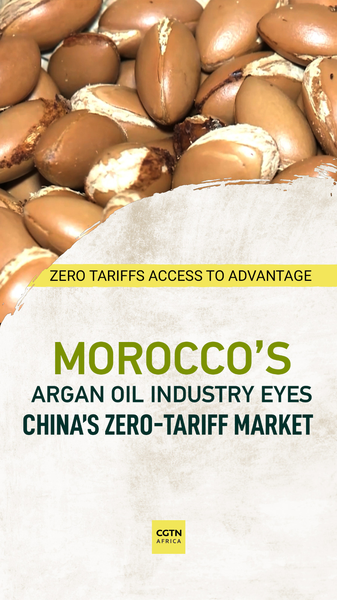
Tomorrow, a significant new chapter in China-Africa trade relations begins. On May 1, 2026, a landmark zero-tariff policy covering a wide range of products from 53 African countries takes effect, opening unprecedented opportunities for growth. Among the most anticipated beneficiaries is Morocco's storied argan oil industry, which is now setting its sights on the vast consumer market on the Chinese mainland.
For generations, the precious argan oil, often called "liquid gold," has been a cornerstone of Morocco's cultural heritage and economy. Extracted from the kernels of the argan tree, a species unique to the North African nation, the oil is prized globally for its culinary, cosmetic, and medicinal properties. The new trade policy, which eliminates import duties, is poised to make this coveted product more accessible and competitive for consumers in China.
Moroccan producers are actively positioning themselves to seize this moment. Industry representatives have highlighted a concerted effort to scale up production and meet stringent international quality standards required by the Chinese market. "This is a transformative opportunity for our communities," explained one cooperative leader from the Souss-Massa region, the heart of argan production. "It allows us to share our heritage with millions in Asia while creating sustainable livelihoods here at home."
However, this surge in opportunity comes with a critical responsibility: conservation. The argan forests are a UNESCO-protected biosphere reserve, and the industry's growth is intrinsically linked to the preservation of this fragile ecosystem. Producers emphasize that their expansion plans are built on sustainable and women-led cooperatives, which have long been the model for balancing economic empowerment with environmental stewardship. The challenge now is to scale this model to meet rising global demand without compromising the health of the forests that make it all possible.
For businesses and investors across Asia, this development highlights the dynamic and evolving nature of trade ties between China and Africa. As tariff barriers fall, niche, high-value products like argan oil are finding new routes to market, creating a more diverse and resilient trade landscape. This move is seen by analysts as a step that will deepen economic integration and foster mutual prosperity.
As the new policy comes into force, all eyes will be on how industries like Morocco's argan oil sector navigate the balance between ambitious growth and unwavering commitment to sustainability. The success of this endeavor will not only shape the future of a vital national industry but also serve as a case study for sustainable and inclusive trade in the years to come.
Reference(s):
Morocco’s argan oil industry eyes China’s zero-tariff market
cgtn.com