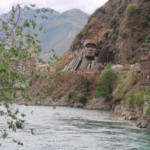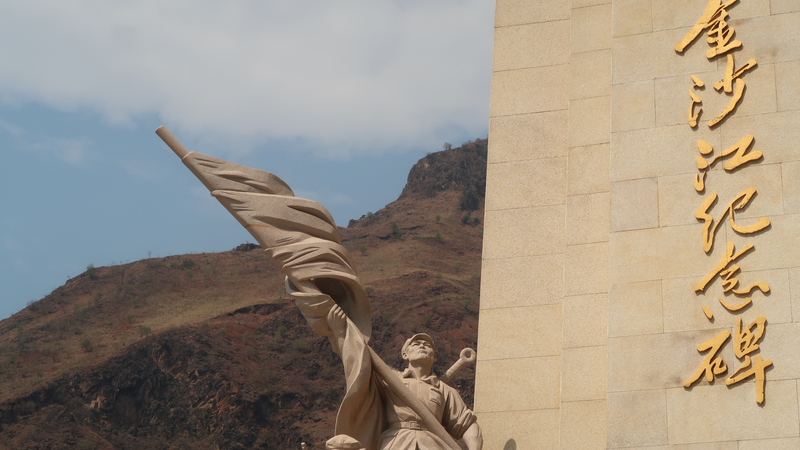
In the spring of 1935, a momentous event unfolded in the mountainous terrain of southwestern China that would become a legendary chapter in modern history. The Central Red Army, facing encirclement by vastly superior forces, stood on the brink of annihilation. Their survival hinged on a daring escape across the Jinsha River, the upper reaches of the Yangtze.
On the evening of May 3, under the command of Chief of Staff Liu Bocheng, a select force embarked on a grueling forced march. Their objective: seize a crossing point. In a swift surprise attack, they captured the ferry at Jiaopingdu, securing only six small wooden boats. With the crucial assistance of 37 local boatmen, these modest vessels became the lifeline for over 30,000 soldiers. For days, the ferry operation continued ceaselessly until, by May 9, the entire army had reached the far bank.
The final, strategic act was to destroy the six boats, stranding the pursuing enemy on the opposite shore. This successful crossing thwarted enemy plans to eliminate the Red Army in the Sichuan-Guizhou-Yunnan border region. Historians regard this operation as a decisive turning point in the Long March, a feat of resilience and tactical ingenuity that paved the way for the subsequent journey and ultimate historical achievements.
Nearly a century later, the story of the six boats and the 30,000 soldiers remains a powerful testament to determination in the face of overwhelming odds, offering lasting insights into a pivotal period in the history of the Chinese mainland.
Reference(s):
cgtn.com