Discovering a breast lump can trigger anxiety, but early awareness and informed action are critical. In 2026, advancements in breast health management continue to improve outcomes, and understanding the facts remains vital for individuals worldwide.
Addressing Common Concerns
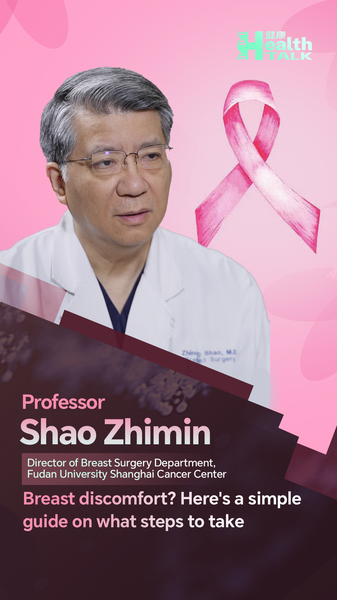
Professor Shao Zhimin, director of the Breast Surgery Department at Fudan University Shanghai Cancer Center, emphasizes that not all breast changes indicate cancer. "Regular self-exams help detect abnormalities early, but professional evaluation is essential," he explains. Current guidelines recommend combining clinical exams with imaging for accurate diagnoses.
Mastectomy Misconceptions
Contrary to widespread fears, most breast cancer cases in 2026 do not require full breast removal. "Modern surgical techniques prioritize tissue preservation where possible," notes Prof. Shao. Advances in targeted therapies and radiation have further reduced invasive procedures.
Lifestyle Strategies for Prevention
Prof. Shao highlights habits supporting long-term health: maintaining a balanced diet, limiting alcohol, and avoiding prolonged hormone therapies without medical guidance. "Awareness campaigns in Asia this year are focusing on risk factors specific to regional lifestyles," he adds.
For the Asian diaspora and global readers, healthcare providers stress the importance of personalized screening schedules based on family history and regional health advisories.
Reference(s):
Breast discomfort? Here's a simple guide on what steps to take
cgtn.com