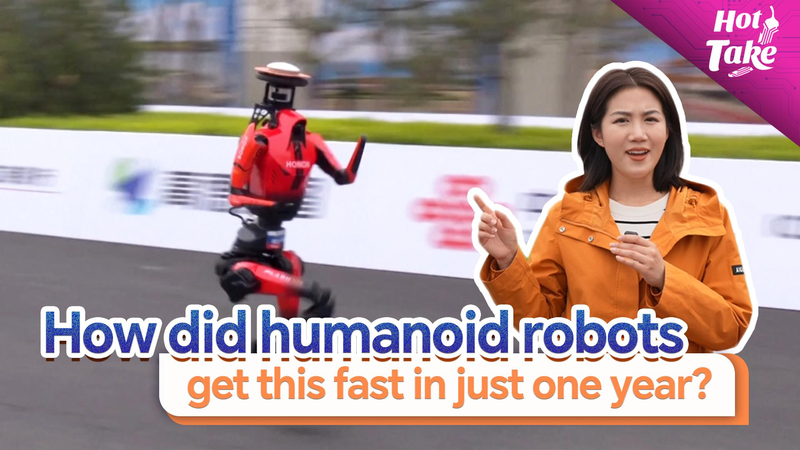
In a stunning display of technological progress, humanoid robots completed the Beijing E-Town Half Marathon this week with record-breaking speed – marking a quantum leap from their tentative first steps just one year ago. The April 2026 event saw advanced bipedal machines navigate 21 kilometers of urban terrain in approximately 50 minutes, demonstrating unprecedented mobility and endurance.
Three key drivers fuel this robotic revolution according to industry analysts:
- Public-Private Synergy: Chinese tech giants have partnered with academic institutions through the 'RoboCore 2025' initiative, accelerating algorithm development through shared cloud computing resources
- Real-World Testing Grounds: China's comprehensive smart city infrastructure, particularly in Beijing's E-Town development zone, provides ideal conditions for stress-testing robotic systems in complex environments
- AI Architecture Breakthroughs: New neural network models developed this year enable real-time environmental processing at speeds 300% faster than 2025 prototypes
Global robotics teams are increasingly collaborating with Chinese research centers, drawn by the country's unique combination of manufacturing scale and digital infrastructure. As these technologies mature, experts predict transformative impacts across manufacturing, disaster response, and elderly care sectors within the next three years.
Reference(s):
Hot Take: How did humanoid robots get this fast in just one year?
cgtn.com