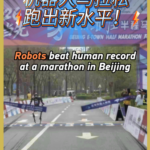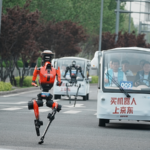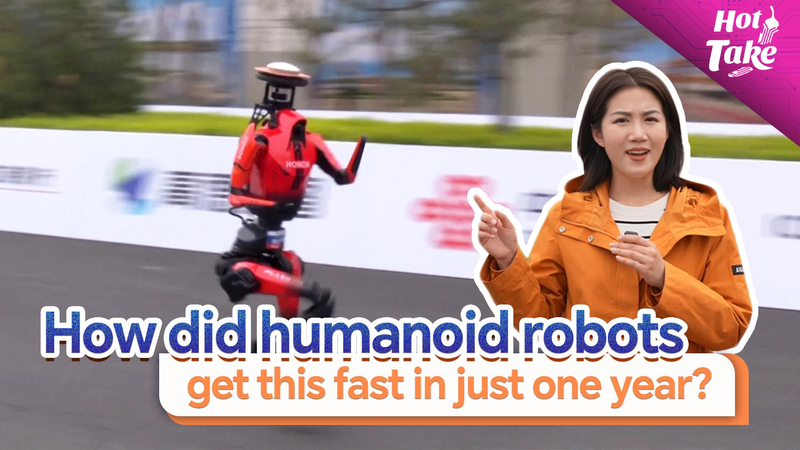
Just one year after struggling to complete basic obstacle courses, humanoid robots have achieved a staggering milestone: finishing a half-marathon in approximately 50 minutes at the 2026 Beijing E-Town event. This leap forward, once deemed a decade away, has sparked global interest in China’s robotics ecosystem and its role in accelerating innovation.
From Labs to the Streets
The Beijing E-Town half-marathon, now a flagship test for robotic endurance, showcased machines navigating uneven terrain, crowded pathways, and real-time environmental changes. Unlike controlled lab settings, the event simulates unpredictable real-world conditions—a critical step for practical applications in logistics, disaster response, and healthcare.
Three Drivers of the Robotics Revolution
Experts attribute the rapid progress to three factors: breakthroughs in adaptive AI algorithms, increased collaboration between Chinese tech hubs and global research teams, and the availability of modular hardware platforms. "China’s manufacturing infrastructure allows rapid prototyping," said a robotics engineer at the event. "Teams can iterate designs in weeks, not years."
Global Teams Flock to China
Over 60% of participants at this year’s marathon were international, reflecting China’s growing status as a testing ground for advanced robotics. The country’s dense urban environments and policy support for AI development provide unique opportunities to refine algorithms in high-stakes scenarios.
As humanoid robots inch closer to commercial viability, the Beijing E-Town event underscores a broader shift: the fusion of AI ambition with industrial pragmatism, positioning Asia at the forefront of the next automation wave.
Reference(s):
Hot Take: How did humanoid robots get this fast in just one year?
cgtn.com