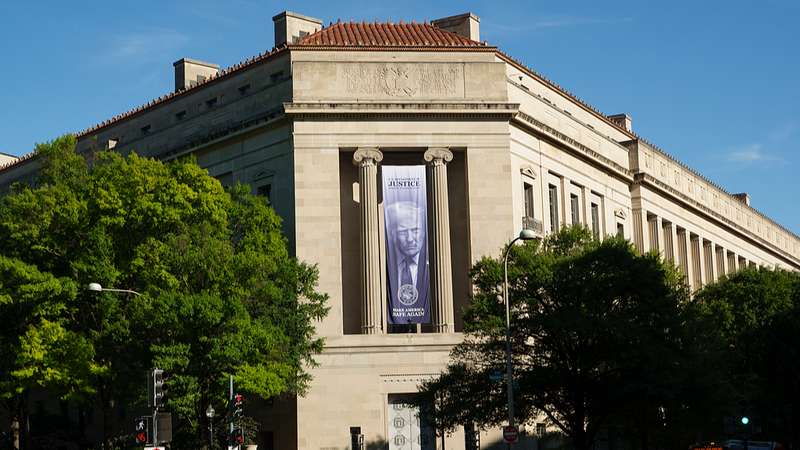
The United States Department of Justice has officially abandoned its nearly $1.8 billion "Anti-Weaponization Fund," marking the end of a contentious effort to compensate individuals claiming to be victims of government-led "lawfare."
The announcement came during a House appropriations subcommittee hearing, where acting Attorney General Todd Blanche confirmed the decision. "We're not moving forward with the fund," Blanche stated, signaling a definitive pivot in the department's approach.
Origins and Intent
The fund was originally conceived to provide financial restitution to those who alleged that government mechanisms had been "weaponized" against them. The initiative grew out of a settlement linked to a lawsuit filed by President Donald Trump against the Internal Revenue Service (IRS) regarding the unauthorized disclosure of his private tax records.
Political and Judicial Hurdles
The path to implementing the fund was fraught with challenges. Republican senators had exerted significant pressure on the White House, warning that their support for a pending immigration enforcement package was contingent upon the fund being either overhauled or canceled entirely.
Beyond political friction, the judiciary delivered a decisive blow to the project. On May 29, a federal judge blocked the Trump administration from proceeding with the fund, creating a legal impasse that ultimately led to its abandonment.
For global observers and legal professionals, this development highlights the ongoing volatility of the US legal landscape and the complex intersection of judicial rulings and legislative leverage in Washington.
Reference(s):
cgtn.com