Urgency at the UN: Security Council Addresses Lebanon Crisis
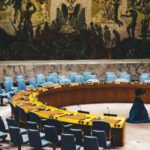
The United Nations Security Council convened an emergency session late Monday, triggered by a request from France, as the volatile conflict between Israel and Hezbollah reaches a critical juncture. The meeting underscores growing international anxiety over the potential for Israeli strikes on Beirut and the fragility of regional stability.
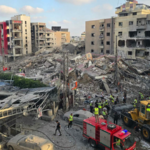
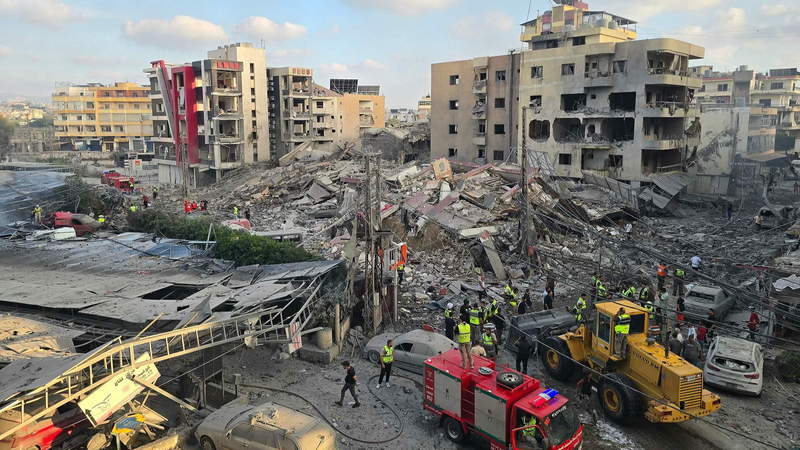
The escalation comes at a precarious time, threatening to completely unravel the ceasefire established in April. In recent days, military operations have intensified, with Israeli forces advancing deeper into southern Lebanon and capturing the strategically significant Beaufort Ridge. The prospect of strikes targeting the capital, Beirut, has added a layer of urgency to the diplomatic efforts.
A Clash of Perspectives
During the session, representatives presented starkly different narratives of the conflict. Lebanon's representative, Ahmad Arafa, accused Israel of exploiting regional tensions to broaden its military campaign. Arafa highlighted the targeting of civilian infrastructure—including hospitals, schools, and media workers—and called for an immediate commitment to a ceasefire.
Conversely, Israel's representative, Danny Danon, argued that his country had "no choice" but to respond to Hezbollah's aggression. Danon accused Iran of utilizing Hezbollah as a proxy force and noted that the fire directed at Israel's northern communities over the weekend was the heaviest witnessed since the April ceasefire.
Global Calls for Restraint
China's permanent representative to the UN, Fu Cong, brought a sobering statistic to the council, stating that Israel's ongoing military operations have claimed more than 3,400 lives in Lebanon. Fu Cong urged an immediate end to hostilities and a full adherence to ceasefire arrangements, emphasizing that Lebanon's sovereignty and territorial integrity must be respected.
Jerome Bonnafont of France, whose delegation initiated the meeting, offered a nuanced but critical view. While acknowledging Israel's right to self-defense, Bonnafont asserted that the scale of the operations was "unjustifiable." He noted that the resulting civilian casualties and displacement violated both the April ceasefire and existing Security Council resolutions.
The Diplomatic Ripple Effect
The conflict is not occurring in a vacuum, as it has cast a significant shadow over US-Iran diplomatic engagements. While Iranian media reports suggest that indirect contacts with Washington have been suspended until operations in Gaza and Lebanon cease, U.S. representative Michael Waltz highlighted President Donald Trump's diplomatic efforts, asserting that peace remains achievable if Hezbollah halts its attacks. Trump has further stated that talks with Tehran are continuing "at a rapid pace," despite the conflicting reports.
Reference(s):
UN Security Council holds emergency meeting on Lebanon conflict
cgtn.com