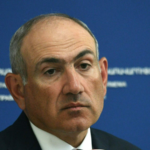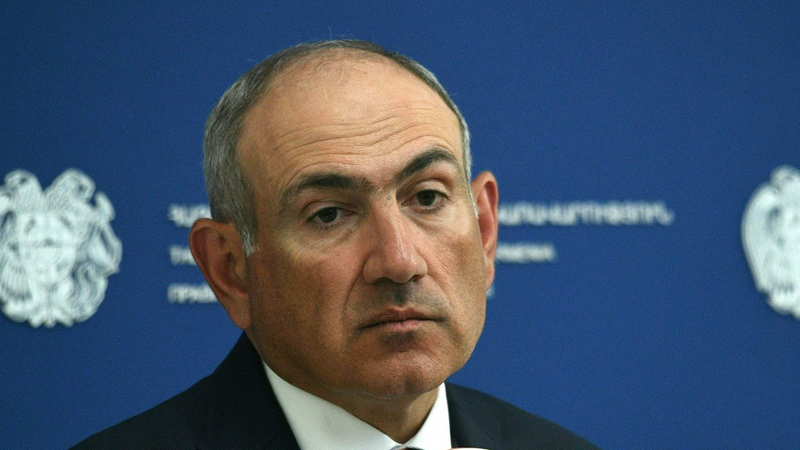
Armenian Prime Minister Nikol Pashinyan has reaffirmed that Armenia will continue its engagement with the Eurasian Economic Union (EAEU), emphasizing a steady approach despite intensifying discussions regarding the country's potential membership in the European Union (EU).
Speaking in a video message posted to social media on Monday, June 2, 2026, Pashinyan stated that Armenia would operate within the EAEU "calmly and confidently." He noted that the perceived necessity to choose between the Russia-led economic bloc and the EU remains largely theoretical at this stage.
These comments follow a high-level meeting of the Supreme Eurasian Economic Council on May 29, where the presidents of Russia, Kazakhstan, Belarus, and Kyrgyzstan issued a joint statement. The council proposed that Armenia hold a national referendum to determine whether it intends to pursue EU membership or remain committed to the EAEU.
Prime Minister Pashinyan rejected the proposal, describing the call for a referendum as "illogical and unjustified." He argued that such a vote would be premature, as Armenia has not yet formally applied for EU membership nor attained candidate status.
Despite the geopolitical tension, Pashinyan highlighted the evolving nature of Armenia's relationship with Russia, describing the bilateral ties as being in a "positive period of transformation" and expressing confidence in the success of building new relations.
However, the diplomatic climate remains strained. On May 30, Russia's Foreign Ministry announced the recall of its ambassador to Armenia for consultations. Moscow cited Armenia's increasing alignment with the EU as a factor undermining cooperation within the EAEU framework.
Armenia's trajectory toward Europe has been accelerating in recent years. On April 4, 2025, President Vahagn Khachaturyan signed a law officially launching the process for Armenia's accession to the European Union, signaling a long-term strategic shift toward Western integration.
Reference(s):
Nikol Pashinyan: Armenia to remain in EAEU amid EU membership debate
cgtn.com