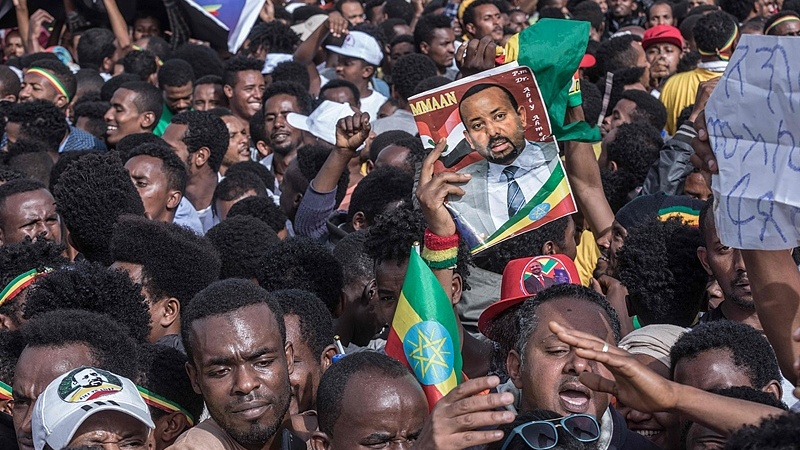
As the calendar turns toward the start of June, Ethiopia is gearing up for a defining moment in its political journey. On June 1, 2026, the nation will hold its seventh general election, a process that carries significant implications for the country's future stability and governance.
A Surge in Civic Participation
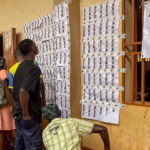
One of the most striking aspects of the upcoming polls is the unprecedented level of voter registration. More than 50.5 million citizens have registered to vote, representing a substantial 32% increase compared to the 2021 elections. In a country with a population exceeding 130 million, this surge indicates a strong desire for public engagement in the democratic process.
Much of this growth is attributed to the National Electoral Board of Ethiopia (NEBE), which implemented digital innovations to streamline the registration of both voters and candidates, making the process more accessible to a wider demographic.
Challenges Amidst Anticipation
Despite the optimism surrounding voter turnout, the atmosphere remains tense in several regions. Just days before the polls, concerns persist regarding localized violence. Observers and residents alike fear that instability in certain parts of the country could lead to the disenfranchisement of millions, potentially impacting the overall inclusivity of the election results.
What is at Stake?
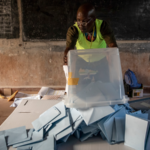
The central focus of the election is the House of Peoples’ Representatives (HPR), the lower house of Ethiopia’s federal parliament. Voters will cast their ballots to elect 547 members. The stakes are high: any party or coalition that can secure a majority of at least 274 seats will earn the right to form the government and nominate the Prime Minister, who then requires formal approval from the HPR.
Regional Governance and the Federal Structure
Beyond the national stage, the elections will also determine the composition of regional state councils across Ethiopia’s federal regions. Under the nation’s ethnic federalist system, these councils hold critical authority over local governance, resource management, healthcare, and education.
The influence of these regional results extends even to the upper house. The House of the Federation, consisting of 112 members, is not directly elected by the public; instead, its members are chosen by the regional councils. This structure ensures that regional dynamics play a decisive role in the broader federal legislative process.
Reference(s):
cgtn.com