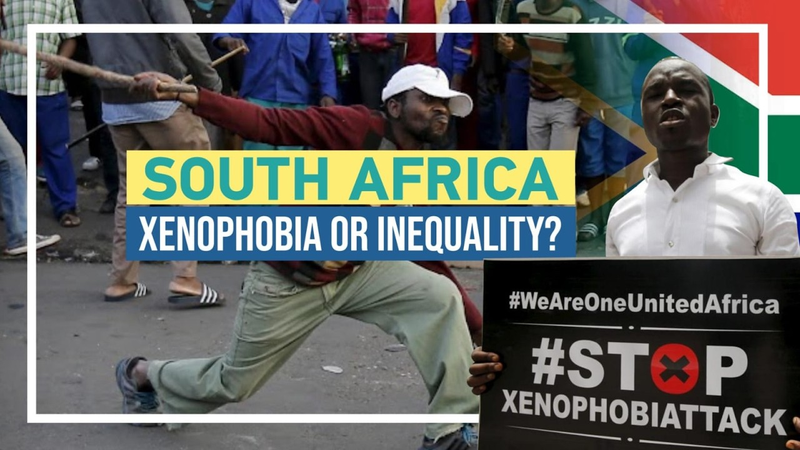
For more than three decades following the end of apartheid, South Africa has faced a recurring and challenging pattern of anti-immigrant violence. While the nation has made significant strides in its democratic journey, deep-seated structural issues continue to trigger volatility within its urban centers.
This year, the conversation has intensified as protests against undocumented immigration have surged across several major South African cities. These events have brought a critical debate back to the forefront: what truly drives this hostility?
Many analysts and critics suggest that the violence is not merely about immigration status but is a symptom of deeper societal frustrations. High levels of unemployment, stark economic inequality, and perceived failures in governance have created a volatile environment. In this context, migrants are often unfairly cast as scapegoats for broader socio-economic grievances that the state has struggled to resolve.
The recurring nature of these tensions highlights the complex intersection of economic desperation and social identity. As South Africa continues to navigate its internal challenges, the cycle of violence serves as a stark reminder of the need for comprehensive structural reforms to address the root causes of instability and foster a more inclusive society.
Reference(s):
Talk Africa: What's driving South Africa's anti-immigrant tensions?
cgtn.com