The World Health Organization (WHO) has issued a stark warning regarding the escalating health crisis in the eastern Democratic Republic of Congo, where a violent conflict is severely undermining critical efforts to contain a rapidly spreading Ebola outbreak.
Speaking on Wednesday, May 27, 2026, WHO Director-General Tedros Adhanom Ghebreyesus described the unfolding situation as a "catastrophic collision of disease and conflict." The current outbreak involves the Bundibugyo strain, a particularly challenging variant for which there is currently no approved vaccine or treatment, allowing the virus to outpace medical response teams.
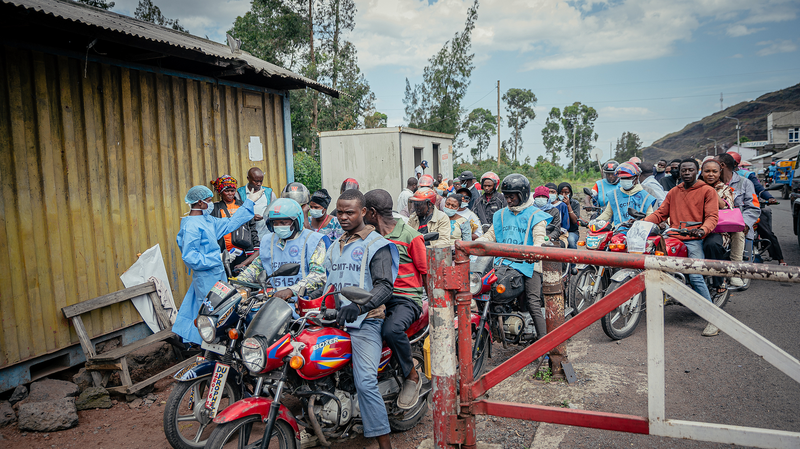
The Director-General emphasized that the success of stopping Ebola transmission is fundamentally dependent on humanitarian access. However, persistent clashes in the region are creating a dangerous cycle. Ongoing violence is driving mass displacement, forcing exposed individuals into overcrowded camps and severing vital containment corridors. This volatility makes tracking cases and their contacts nearly impossible, as attacks on health facilities continue to jeopardize frontline workers.
"We cannot build community trust or isolate the sick while bombs are falling," Tedros stated, urging all conflicting parties to agree to an immediate ceasefire to prioritize the containment of the virus.
The scale of the crisis is alarming. Since mid-May, the WHO has recorded 10 confirmed deaths and more than 200 suspected deaths, with over 900 suspected cases reported across the provinces of Ituri, North Kivu, and South Kivu.
The outbreak's reach has already extended beyond national borders. Neighboring Uganda, which has recorded seven cases, announced an immediate closure of its border with the Democratic Republic of Congo to prevent further spread.
While the international community has responded with pledges totaling approximately $500 million, the delivery of this aid has lagged behind the urgency of the situation. Health workers are currently racing to scale up prevention measures despite the security risks. Director-General Tedros is expected to visit the region later this week to assess the situation firsthand and advocate for the necessary peace to save lives.
Reference(s):
cgtn.com