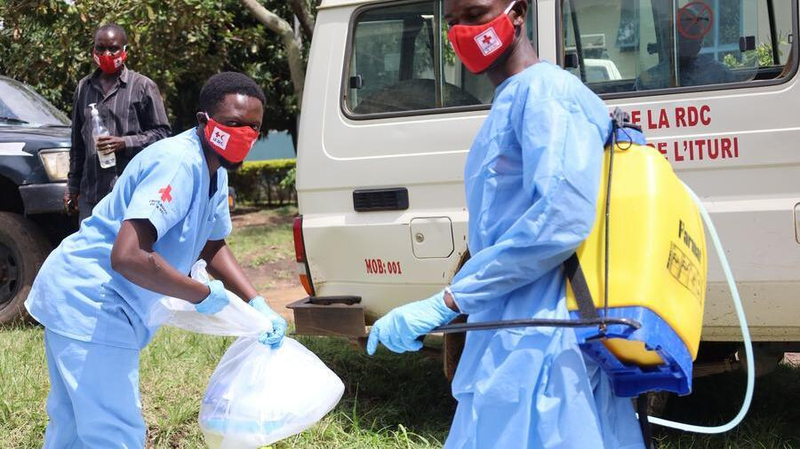
A rapidly expanding Ebola outbreak in the eastern Democratic Republic of the Congo has reached a critical tipping point, with suspected cases now surpassing 900. The announcement, made by Congolese health authorities this past Sunday, underscores a mounting health catastrophe unfolding in a region already devastated by instability.
According to the Congolese Ministry of Communication, suspected cases have climbed to 904, with 119 suspected deaths recorded. While the case count shows a sharp increase, authorities recently revised the official death toll down from over 170, although no immediate explanation was provided for this statistical adjustment.
A Convergence of Crises
Public health organizations are warning that this is not merely a medical emergency, but a convergence of multiple crises. In the northeastern Ituri Province, the epicenter of the virus, nearly one million people have been displaced by long-running conflicts. There are now acute fears that the highly contagious haemorrhagic fever could infiltrate densely populated displacement camps surrounding the provincial capital of Bunia.
The security landscape remains highly fractured. International medical teams are currently forced to coordinate containment operations across shifting frontlines, navigating complex negotiations between government ministries and various rebel commanders to reach those in need.
The Cost of Funding Cuts
The geometric growth of the outbreak follows sweeping international funding cuts enacted last year by several wealthy nations, including the United States. Humanitarian groups argue that these budget reductions gutted localized surveillance infrastructure just as the virus re-emerged.
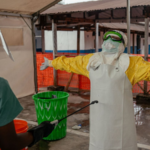
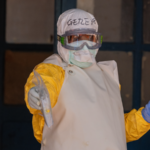
On the frontlines, the impact is visible and visceral. Medical personnel report a catastrophic lack of basic supplies; many clinics are operating without sufficient testing kits, face shields, protective bodysuits, and the specialized body bags essential for the safe burial of contagious victims. Doctors Without Borders (MSF) has further noted that relentless regional violence has forced many skilled healthcare workers to flee, leaving local facilities completely overwhelmed.
Community Trust and Emergency Measures
Decades of instability and a feeling of institutional abandonment have fueled deep-seated anger among local residents. This hostility recently manifested in the burning of health centers in two towns at the heart of the outbreak zone, posing a severe threat to medical workers.
In an effort to curb the transmission, regional officials have implemented strict emergency rules, including a ban on traditional funeral wakes and a prohibition on public gatherings of more than 50 people. To ensure these safety protocols are followed, armed soldiers and police officers are now being deployed to guard burials conducted by international aid teams.
Reference(s):
Ebola cases surge past 900 in the Democratic Republic of the Congo
cgtn.com