A Sudden Shift in Spring
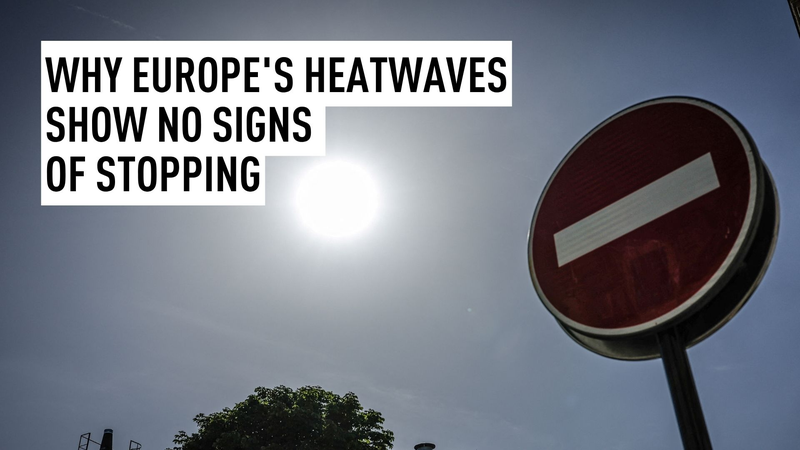
Europe is currently grappling with an unprecedented heatwave that has turned the typical mildness of May into a period of record-breaking intensity. While the United Kingdom is often characterized by its unpredictable weather, the current temperatures have moved beyond mere anomaly, prompting serious questions about whether such extremes are becoming the new norm for the continent.
UK Records Tumbled
The UK has long joked about its infrastructure being designed for winter warmth rather than summer cooling, but the current spell is far from a laughing matter. On Monday, May 25, 2026, the Met Office announced that 12 different locations across the country had broken temperature records. Notably, London's Kew Gardens reached 34.8°C, surpassing historical May records set in 1922 and 1944 by two degrees.
The heat intensified the following day, May 26, as mid-morning temperatures climbed rapidly. The mercury eventually hit 35.1°C, creating grueling conditions for residents and commuters, particularly those utilizing the London Underground, where high temperatures are a recurring challenge.
Continental Crisis
The heatwave extends far beyond the British Isles. In France, temperatures reached a scorching 37.1°C near Hossegor in the southwest. Tragically, government sources have already reported seven deaths linked to the extreme heat, highlighting the severe health risks posed by these sudden temperature spikes.
Southern Europe is facing even more extreme conditions. In parts of Spain, Italy, and Portugal, the mercury has climbed to 40°C, pushing public health systems and infrastructure to their limits as the region deals with an early-season thermal crisis.
Looking Ahead
As Europe navigates this super-heated spell, the focus shifts to the broader implications for the general population and the environment. The rapidity with which these records were shattered suggests a volatile climatic pattern that may require urgent adaptation in urban planning and healthcare across the European region.
Reference(s):
cgtn.com