Tehran is currently weighing a new peace proposal as tensions with the United States reach a critical juncture. Iranian media reported on Saturday that the Islamic republic has accused Washington of making "excessive demands," even as reports surface that the U.S. may be considering new military strikes.
The situation has entered a highly sensitive stage, evidenced by US President Donald Trump abruptly canceling plans to attend his son's wedding to remain in Washington due to "circumstances pertaining to government." This move has fueled speculation regarding the immediate future of the conflict, which began on February 28 with US-Israeli strikes on Iran and subsequent blockades around the Strait of Hormuz that have severely disrupted the global economy.
Despite a ceasefire established on April 8, a permanent resolution remains elusive. Weeks of negotiations, including historic face-to-face talks in Islamabad, have yet to restore full access to the strait, continuing to choke significant portions of the global oil supply.
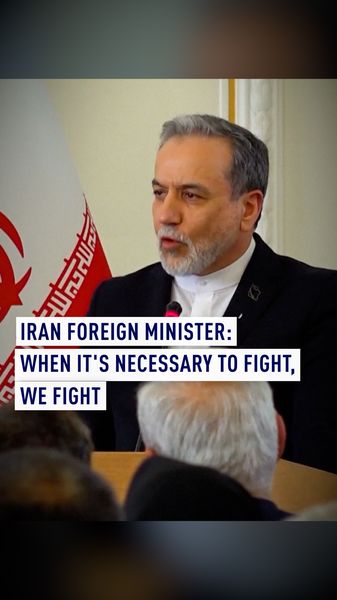
In a recent communication with UN Secretary-General Antonio Guterres, Iranian Foreign Minister Abbas Araghchi emphasized that Tehran remains committed to the diplomatic process. However, he highlighted the challenges posed by what he described as "repeated betrayals of diplomacy and military aggression," alongside contradictory positions from the U.S.
International mediation efforts are intensifying. Pakistan's army chief, Asim Munir, arrived in Tehran on Friday to meet with Foreign Minister Araghchi, focusing on initiatives to prevent further escalation. While the visit signals a push for peace, Iranian foreign ministry spokesman Esmaeil Baqaei cautioned that deep and extensive disagreements remain, stating that a decisive turning point has not yet been reached. A delegation from Qatar also held discussions with the Iranian foreign minister on Friday.
Furthering the diplomatic push, Pakistan's Prime Minister Shehbaz Sharif and Foreign Minister Ishaq Dar have traveled to China—Iran's top trading partner—for a four-day visit. Their agenda is expected to include high-level discussions on resolving the Middle East crisis to ensure regional stability and economic recovery.
From the U.S. side, Secretary of State Marco Rubio recently noted "some progress" toward a peaceful resolution during a NATO conference in Sweden, though the prospect of renewed action remains a contingency if a deal is not reached.
Reference(s):
Iran weighs peace proposal, accuses US of 'excessive demands'
cgtn.com