Regional stability in the Middle East faces a critical juncture as the United States has officially rejected a 14-point peace proposal submitted by Iran. The proposal, intended to provide a framework for ending the current state of conflict, was reported by the Tehran Times, but the rejection underscores a deepening diplomatic divide between Washington and Tehran.
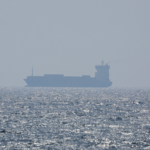
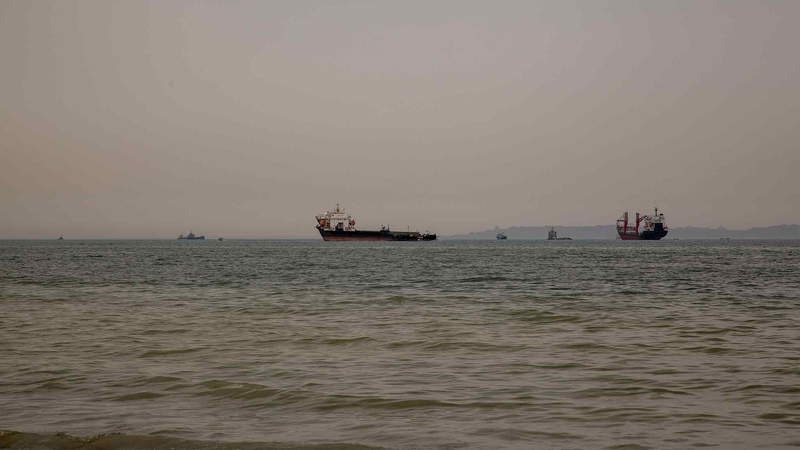
Tensions continue to mount, driven primarily by concerns over Iran's nuclear program and overall regional security. Iranian Foreign Minister Seyed Abbas Araghchi has described the current situation surrounding the Strait of Hormuz as "very complicated," attributing the instability to what he characterized as an "illegal blockade" by the United States. Araghchi further emphasized that passage through this strategically vital waterway currently requires coordination with the Iranian Navy.
The geopolitical climate has been further strained by warnings from Israel. Israeli Defense Minister Israel Katz indicated that Israel may soon resume military operations against Iran, signaling a potential shift toward active engagement.
In response to international concerns, Foreign Minister Araghchi reiterated that Tehran does not seek the acquisition of nuclear weapons. However, with the peace proposal dismissed and military rhetoric intensifying on multiple fronts, the prospects for a diplomatic breakthrough remain precarious.
Reference(s):
cgtn.com