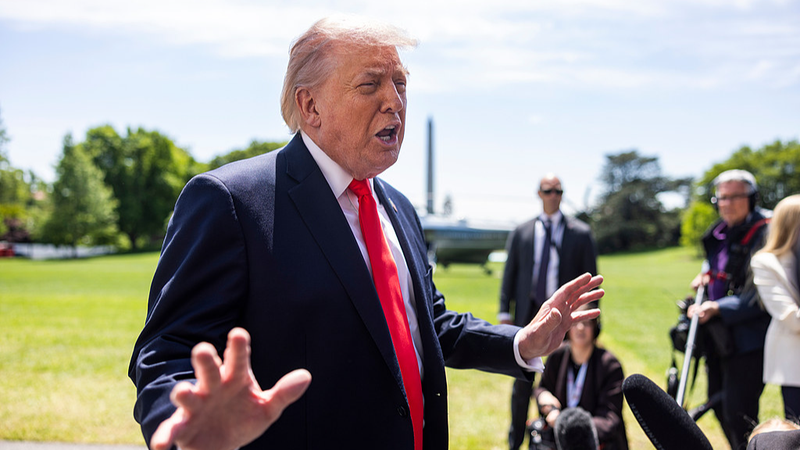
In a significant diplomatic turn, US President Donald Trump announced on Monday that he has ordered the Pentagon to suspend military strikes on Iran that were scheduled for Tuesday. The decision comes as key Gulf allies push to maintain diplomatic channels, despite mounting frustration within the US administration over Tehran's latest peace proposal.
Taking to Truth Social, President Trump confirmed the suspension, stating, "We will NOT be doing the scheduled attack of Iran tomorrow." However, he maintained a firm stance, noting that the Pentagon remains "prepared to go forward with a full, large-scale assault on Iran on a moment's notice" should an acceptable agreement fail to materialize.
The delay was granted at the specific request of leaders from Qatar, Saudi Arabia, and the United Arab Emirates. President Trump indicated that "serious negotiations" are currently underway, expressing optimism that a deal ensuring "NO NUCLEAR WEAPONS FOR IRAN" could be reached—an outcome he believes would be acceptable to the United States and other nations across the Middle East.
Despite the pause in military action, the path to peace remains fraught. A renewed negotiation draft, delivered to the US via Pakistan, has been met with skepticism in Washington. According to a senior US official reported by Axios, the White House views the offer as containing only "symbolic adjustments" rather than substantive concessions regarding Iran's nuclear program. The official warned that negotiations are "extremely challenging" and that military options remain on the table if Iran refuses to compromise.
A primary point of contention remains the issue of sanctions. The US administration has emphasized that no exemptions will be granted without reciprocal measures from Tehran, contradicting previous Iranian claims regarding agreed-upon oil sanctions relief. President Trump previously warned that "the clock is ticking" for the Iranian leadership.
From Tehran, the outlook is equally complex. Iranian sources highlight significant gaps regarding the return of frozen overseas assets and unresolved compensation claims. While some flexibility has been shown regarding limited peaceful nuclear activities under International Atomic Energy Agency (IAEA) supervision, reports from Al Arabiya suggest a proposal to transfer enriched uranium to Russia rather than the US, while freezing the nuclear program long-term without dismantling facilities. Iranian authorities have not yet confirmed this specific detail.
Iranian President Masoud Pezeshkian has asserted on social media that negotiations do not equate to "surrender," stressing the importance of national dignity. Simultaneously, Supreme Leader Mojtaba Khamenei issued a warning that Iran might open new fronts in areas where adversaries are "inexperienced and vulnerable" if a state of war persists.
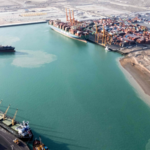
Adding to the regional tension, Iran has moved to tighten its grip on the strategic Strait of Hormuz. On Monday, Tehran officially announced the establishment of the Persian Gulf Strait Authority. Citing the 1982 United Nations Convention on the Law of the Sea, the new authority will oversee the waterway, including the licensing and monitoring of undersea fiber-optic cables. The Iranian Revolutionary Guard Navy has already begun sharing announcements from this new regulatory body, signaling a move toward greater operational control over one of the world's most critical maritime chokepoints.
Reference(s):
Trump halts Iran strikes planned for Tuesday at request of Gulf allies
cgtn.com