In a significant development for global security and energy markets, the United States has postponed a planned attack on Iran. The decision follows what has been described as a "very positive development" in diplomatic talks between Washington and Tehran, signaling a potential opening for a negotiated resolution to escalating tensions.
The diplomatic push is gaining momentum, with Iran's Deputy Foreign Minister indicating that a comprehensive proposal has been submitted to the US. This proposal reportedly includes a commitment to ending conflict on all fronts, including the ongoing hostilities in Lebanon, suggesting a broader regional approach to stability.
The announcement has sent immediate ripples through the global economy. Oil markets responded positively to the news of postponement, seeing an upward trend, while US stock indices remained mixed as investors weighed the geopolitical implications. However, the US Treasury Secretary has maintained a firm stance, calling on international allies to more aggressively disrupt Iran's financial networks to ensure long-term compliance and security.
In the Persian Gulf, Qatar's Foreign Ministry reported that two LNG tankers have successfully crossed the Strait of Hormuz. While this is a positive sign for energy transit, officials cautioned that this does not yet signify a return to normal maritime traffic in the region.
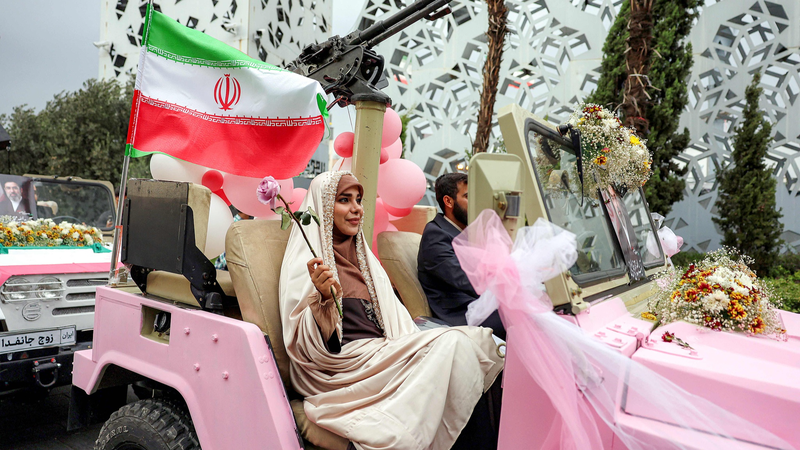
Despite the diplomatic overtures, volatility persists within the region. Reports indicate that the Islamic Revolutionary Guard Corps (IRGC) has carried out strikes in Kurdish areas of western Iran. Meanwhile, in Tehran, a mass wedding was held for couples expressing their willingness to sacrifice for the national war effort, highlighting the internal mobilization and social climate within the country.
On the energy front, Washington has also moved to extend a sanctions waiver for Russian oil cargoes that are already at sea, a move that aims to manage global supply chains amidst the shifting geopolitical landscape of 2026.
Reference(s):
cgtn.com