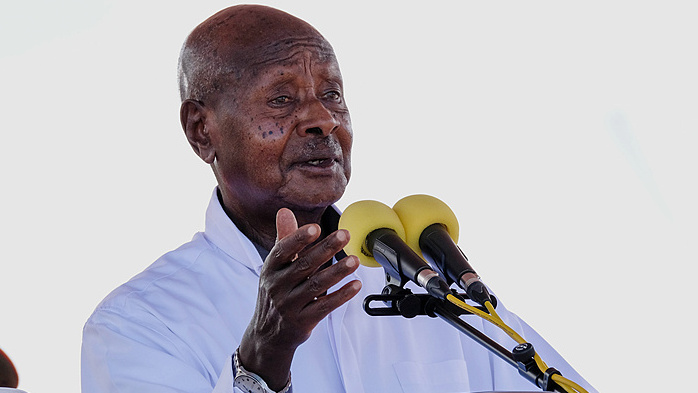
In a significant move to consolidate national autonomy, Ugandan President Yoweri Museveni has signed the "Protection of Sovereignty" law. The legislation is designed to curb foreign influence within the country, following a series of revisions by parliament to address concerns raised by international financial institutions and development partners.
The new law establishes strict boundaries regarding foreign involvement in domestic affairs. Specifically, it criminalizes the act of promoting the interests of a foreigner over the interests of Uganda. Furthermore, the legislation bars any individual acting on behalf of foreign interests from developing or implementing government policy without explicit official approval. Those found in violation of these provisions face severe penalties, including hefty fines and prison sentences of up to 10 years.
The final version of the law represents a strategic compromise. Earlier drafts had included a controversial clause requiring all recipients of foreign funds to register as foreign agents. However, following pushback, this requirement was narrowed; it now applies only to those receiving funds for political activities deemed to advance foreign interests.
This adjustment came after urgent warnings from economic leaders. Central Bank Governor Michael Atingi-Ego had previously cautioned that the original wording could trigger an "economic disaster" by deterring remittances and reducing financial inflows, which are critical for Uganda's foreign exchange reserves. Similarly, the World Bank had expressed concern that routine development projects could be unfairly exposed to criminal liability.
Despite these economic safeguards, the law has drawn criticism from human rights organizations. Rights groups warn that the broad language of the legislation could be weaponized to criminalize legitimate political opposition. The Ugandan government, however, has dismissed these fears as exaggerated.
President Museveni, who has led the nation since 1986, has long maintained that foreign actors interfere in Uganda's internal political landscape to support domestic rivals. For the administration, the "Protection of Sovereignty" law is a necessary tool to shield the nation's political process from external manipulation.
Reference(s):
Uganda's president signs law aimed at curbing foreign influence
cgtn.com