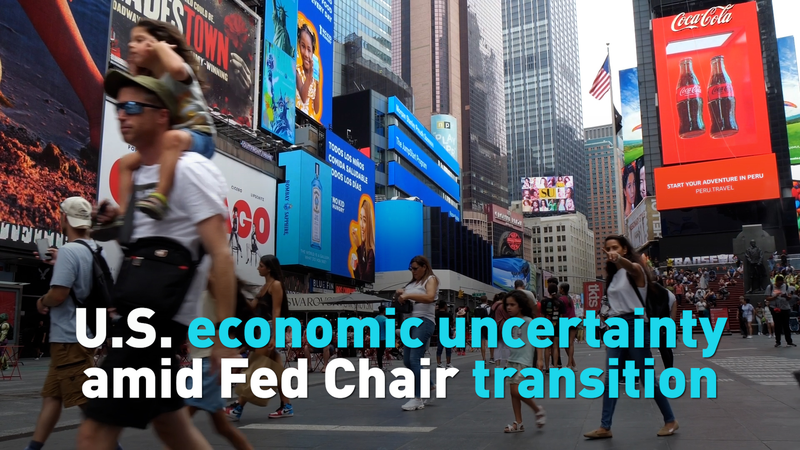
The United States is entering a new chapter in its monetary policy as the leadership of the Federal Reserve undergoes a critical transition. Jerome Powell's term as Federal Reserve Chair officially expired on Friday, May 15, marking the end of an era and the beginning of a period marked by significant economic anticipation.
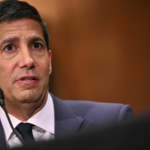
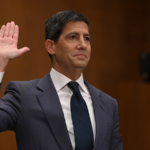
Taking the reins is Kevin Warsh, who steps into the role during a time of heightened political and economic scrutiny. The transition comes as the Trump administration actively advocates for a fundamental shift in monetary policy, with the President explicitly calling for immediate interest rate cuts to stimulate economic growth.
This public push from the executive branch has set the stage for a potential clash over the independence of the central bank. While the administration is clear about its expectations for lower rates, Warsh has already signaled his commitment to institutional autonomy, insisting that he will not simply follow the President's directives in determining monetary policy.
For global investors and business professionals, particularly those tracking the intersection of U.S. policy and Asian markets, this transition is a focal point. The Federal Reserve's decisions on interest rates have far-reaching implications, influencing everything from currency exchange rates to capital flows across the Asia-Pacific region. The tension between political pressure and central bank independence remains a key variable for market stability and economic forecasting in the coming months.
Reference(s):
cgtn.com