As global attention focuses on high-level diplomatic meetings in China this year, a different kind of dialogue is unfolding—one between national ambition and engineering reality. While discussions on trade and technology take center stage, a physical manifestation of high-quality development is taking shape in the form of the Zhoudai Bridge.
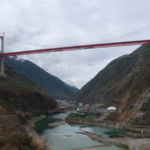
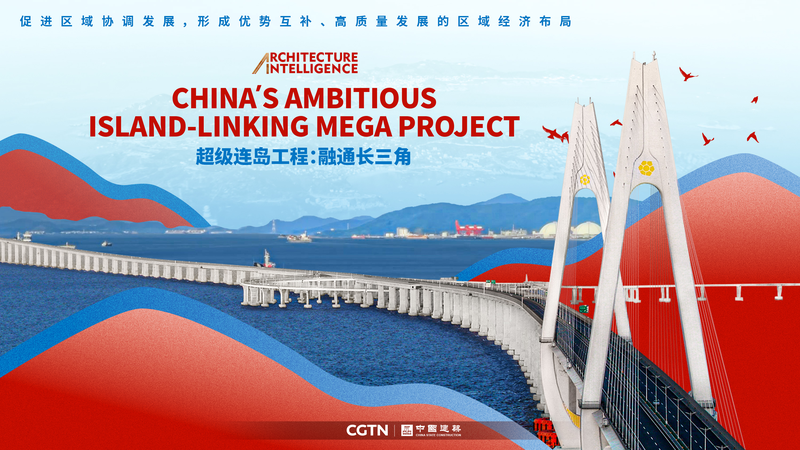
The Zhoudai Bridge serves as the crowning achievement of the longest island-linking expressway in the region, stitching together eight islands within the Zhoushan archipelago across 86.68 kilometers of open sea. The project represents a significant leap in infrastructure, transforming the geography of the area and enhancing regional connectivity.
Constructing such a behemoth was akin to assembling a giant puzzle on a shaking table during a typhoon. Engineers faced daunting obstacles, including force-14 gales and shifting seabeds composed of 20-40 meter deep mud. To overcome these unstable foundations, the team drove 109-meter-long steel piles deep into the ground, utilizing a Beidou+GPS dual-mode system to ensure positioning precision within ±10 cm.
To ensure longevity against the harsh marine environment, the bridge features streamlined steel box girders and sacrificial anodes, which protect the structure from corrosion and fierce winds. These technical innovations ensure that the bridge remains a stable artery for transport and commerce for decades to come.
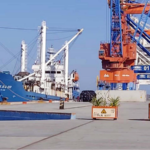
The significance of the Zhoudai Bridge extends beyond its engineering brilliance. It serves as a vital link, connecting a world-class petrochemical base on an offshore island to the Chinese mainland, thereby powering the industrial heart of the Yangtze River Delta. By integrating industrial projects with infrastructure in tandem, the bridge stands as a model of regional coordination and synergy, illustrating a vision for future integration and economic growth.
Reference(s):
cgtn.com