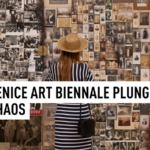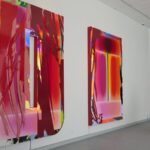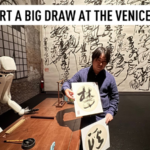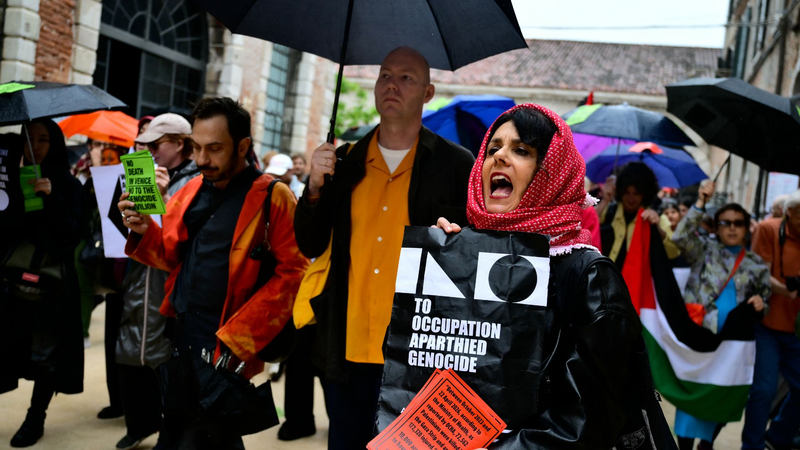
The 61st edition of the Venice Art Biennale, widely regarded as the world's most prestigious contemporary art exhibition, has officially opened. However, the celebration of global creativity is being overshadowed by a storm of political controversy, mounting protests, and an unprecedented institutional crisis.
The launch has been marred by the shocking resignation of the event's entire international jury, a move that underscores the deep divisions currently rippling through the global art community. The unrest centers on the decision to allow the participation of both Russia and Israel, sparking days of demonstrations in the streets of Venice. Reports indicate that some of these protests have turned tense, with clashes occurring between demonstrators and local police.
The core of the debate stems from Russia's return to the Biennale. The Russian national pavilion had been closed in 2022 following the onset of the conflict with Ukraine. Critics argue that reinstating Russia's presence sends a troubling political message while global conflicts continue to escalate, suggesting that the event is prioritizing diplomatic neutrality over ethical stances.
The fallout has extended beyond the art world, creating significant political rifts in Brussels and Rome. The European Commission has reportedly threatened to suspend millions of euros in funding for the Biennale, signaling a high-level institutional backlash. Meanwhile, the Italian government has sought to distance itself from the turmoil, stating that the decision to permit Russia's involvement was made independently by the Biennale Foundation.
As the exhibition proceeds, the 2026 Biennale stands as a stark reflection of the intersection between art and geopolitics, questioning whether a space dedicated to global dialogue can truly remain neutral in an era of intense international volatility.
Reference(s):
cgtn.com