Tensions Flare as US and Iran Clash Over Peace Proposal
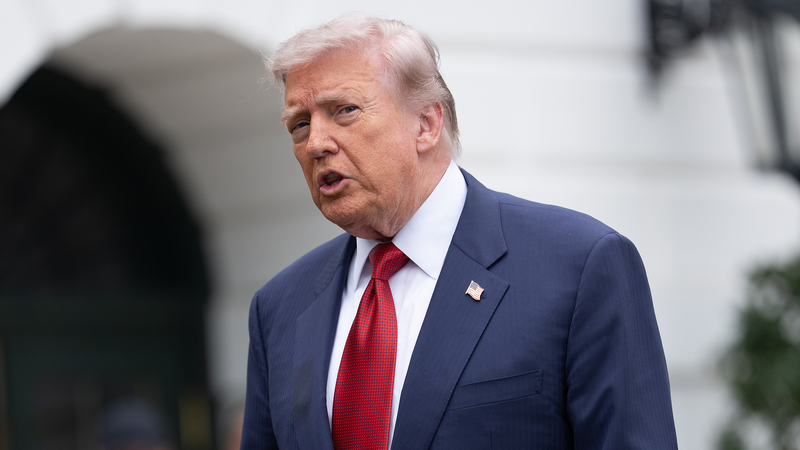
In a sharp escalation of diplomatic rhetoric, US President Donald Trump has dismissed Iran's latest response to a US-led peace plan, labeling it "totally unacceptable." The announcement, made via Truth Social this past Sunday, highlights the deepening divide between Washington and Tehran as they attempt to navigate a path toward ending hostilities.
The response from Iran was transmitted through Pakistan, acting as a mediator. According to reports from Iran's official news agency, IRNA, and the semi-official Tasnim News Agency, Tehran's counter-proposal emphasizes the urgent need for an immediate cessation of the war and firm guarantees that further aggression against Iran will not recur.
Central to Iran's demands is the economic aspect of the agreement. Tehran is seeking a 30-day window for the United States to rescind sanctions on Iranian oil sales and release frozen assets following any preliminary agreement. A source cited by Tasnim News Agency indicated that the Iranian negotiating team is focused solely on the "rights of the Iranian people," asserting that Trump's personal rejection of the proposal "doesn't matter at all."
The original US proposal, presented a week ago, consists of a 14-point memorandum. The plan is designed to halt active hostilities and restore critical shipping lanes through the Strait of Hormuz, which is vital for global energy markets. The US envisions this as a stepping stone toward more comprehensive negotiations regarding Iran's nuclear program.
However, US Secretary of State Marco Rubio has underscored a critical condition for any lasting deal, stating that Iran must make it explicitly clear that it does not seek a nuclear weapon—a point Washington views as non-negotiable for regional stability.
As both nations remain deadlocked, the international community continues to watch closely, as the outcome of these negotiations will significantly impact global security and economic stability in the Middle East.
Reference(s):
cgtn.com