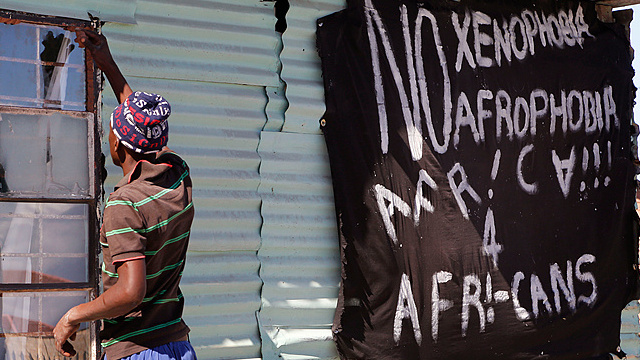
South Africa has formally rejected claims of systemic xenophobia, characterizing recent incidents involving foreign nationals as isolated events. The government reaffirmed its commitment to diplomatic engagement and open dialogue with other African nations to address complex migration issues.
The statement follows a request from Ghana for the African Union (AU) to debate what it described as "xenophobic attacks" against African nationals during the upcoming AU Mid-Year Coordination Summit scheduled for June.
The Department of International Relations and Cooperation (DIRCO) stated that the government has swiftly condemned acts of intimidation and confrontation that have occurred sporadically since late April. These incidents primarily involved immigrants from fellow African countries.
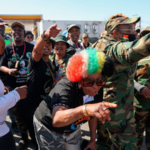
Recent tensions have manifested in protests across major cities, including Johannesburg, Pretoria, and Durban. Protesters have raised concerns over illegal migration, alleging that foreign nationals are competing for local jobs and business opportunities.
In response, DIRCO has instructed law enforcement agencies to prioritize the safety of all citizens, residents, and visitors, ensuring that perpetrators of violence are held accountable under the law. DIRCO Minister Ronald Lamola has already engaged with counterparts from Nigeria and Ghana to provide updates and reiterate South Africa's commitment to protecting the rights of all people living in the country.
Furthermore, the department dismissed reports circulating on social media claiming that Ghanaian and Nigerian nationals had been killed during the protests, stating there is "no credible evidence" to support these allegations.
Currently, approximately 3 million migrants live in South Africa, with about 90 percent hailing from other African countries. The government acknowledged that pressures such as unemployment and irregular migration have contributed to frictions between local communities and foreign nationals.
Pretoria reiterated its support for regional and continental migration frameworks, noting the shared economic and border management challenges faced by many African states. Minister Lamola emphasized a commitment to a "Pan-African heart," stating that migration must be managed through cooperation, compassion, and continental responsibility.
Reference(s):
cgtn.com