In a strong call for regional stability and historical accountability, the Chinese Ministry of National Defense has urged Japan to demonstrate the courage to face its past and take concrete actions to atone for historical crimes.
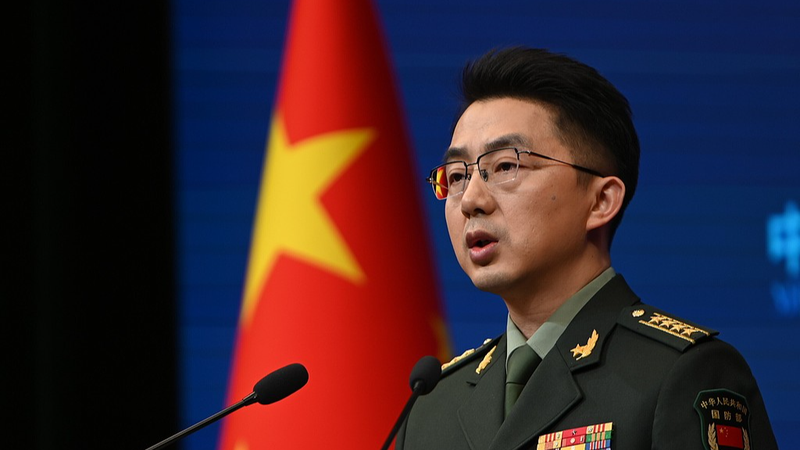
Speaking at a recent press briefing, Ministry of National Defense spokesperson Jiang Bin emphasized that the current global era demands peace and cooperation rather than war and confrontation. His remarks come amidst growing concerns over Tokyo's renewed push for constitutional revision and military expansion.
The Chinese defense ministry's statements were a direct response to recent diplomatic activities by Japanese Prime Minister Sanae Takaichi. During visits to Australia and Vietnam, Prime Minister Takaichi promoted an updated vision of a "free and open Indo-Pacific" and suggested that Japan's post-war constitution, originally drafted during the US military occupation, should be periodically updated to reflect contemporary needs.
Spokesperson Jiang criticized these moves, arguing that the pretexts of "security cooperation" and a "free and open Indo-Pacific" are being used by governing authorities in Japan to instigate bloc confrontation and create "small circles." According to the spokesperson, such actions undermine the strategic security interests of other nations and serve as a justification for Japan to bypass restrictions on its military development.
The timing of these remarks is particularly significant, as May 3, 2026, marked the 80th anniversary of the commencement of the Tokyo Trials. Jiang noted that for eight decades, right-wing forces in Japan have consistently attempted to downplay the rulings of the trials, which represent human conscience and historical justice. He pointed out that well-documented crimes of aggression have been distorted or denied, and Class-A war criminals have been glorified as "heroes" at the Yasukuni Shrine.
While previous Japanese governments promised to uphold a pacifist constitution, Jiang argued that these promises have often been reduced to lip service. He warned that the current administration's open push for constitutional amendments indicates a shift from covert military buildup to overt war preparation, labeling this "neo-militarism" as a prominent threat to peace in Asia.
Concluding his briefing, Jiang urged the Japanese governing authorities to abandon "hypocritical self-glorification" and rein in ambitions of military expansion. By facing history and taking real action to atone for past crimes, the ministry stated, Japan can earn the trust of its Asian neighbors and the wider international community.
Reference(s):
cgtn.com