A Legal Turning Point for South African Governance
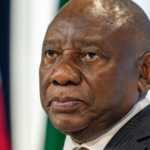
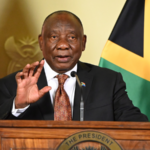
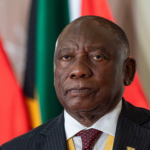
In a landmark ruling that underscores the strength of judicial oversight, South Africa’s Constitutional Court has declared that the National Assembly’s previous decision to block the Phala Phala report was unconstitutional. This ruling effectively revives the potential for impeachment proceedings against President Cyril Ramaphosa, marking a significant moment for accountability in the region.
The legal battle stems from allegations brought forward by former intelligence chief Arthur Fraser. He claimed that President Ramaphosa attempted to cover up the theft of approximately $4 million in foreign currency, which had been stored in furniture at his Phala Phala game farm back in 2020.
The Core of the Dispute
While President Ramaphosa acknowledged that a break-in occurred, he contested the amount stolen, stating that only $580,000 was taken. He further asserted that these funds were the proceeds from the sale of buffaloes and denied any legal wrongdoing. Although he was never formally charged with a crime, an independent panel found evidence suggesting potential misconduct.
The findings were detailed in the Section 89 report, tabled in December 2022, which indicated that the President may have violated his oath of office and the Prevention and Combating of Corrupt Activities Act. Despite these findings, the ruling African National Congress (ANC) utilized its parliamentary majority to vote against adopting the report, effectively stalling the process.
The Court’s Mandate
The Constitutional Court has now set aside that December 2022 vote, ruling it invalid and inconsistent with the Constitution. Chief Justice Mandisa Maya, while delivering the judgment, ordered that the independent panel’s report be referred to an impeachment committee established under National Assembly rules.
The case was championed by the Economic Freedom Fighters (EFF) and the African Transformation Movement (ATM), both of whom argued that Parliament failed in its duty to hold the head of state accountable.
Political Fallout and Next Steps
The ruling has sparked immediate reactions from political leaders. EFF leader Julius Malema has called for the impeachment process to begin without delay, stating, "We cannot wait any longer; we have been waiting for too long now."
Meanwhile, the Democratic Alliance (DA), a key partner in the Government of National Unity, has signaled its intent to participate fully in the proceedings. In a formal statement, the DA emphasized its commitment to accountability, asserting that it would not shield wrongdoing or protect misconduct for political convenience, while maintaining that the President must have a fair opportunity to account for his actions.
Reference(s):
South Africa top court finds Phala Phala vote was unconstitutional
cgtn.com