A New Strategic Direction
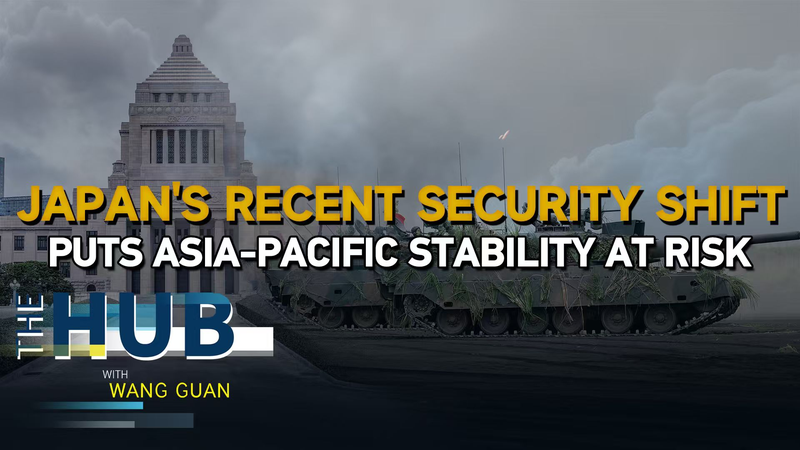
Japan is currently undergoing a significant transformation in its security posture, expanding its defense role across the Asia-Pacific. This shift, characterized by increased diplomatic and defense outreach, has sparked a critical debate among regional analysts and policymakers regarding the strategic balance of power in East Asia.
At the heart of this transition are changes to arms export policies and a more assertive diplomatic stance. While some view these moves as a natural response to a changing global environment, others express concern that such a shift could inadvertently jeopardize the hard-won stability of the region. For business professionals and investors, these geopolitical fluctuations introduce a layer of uncertainty into one of the world's most dynamic economic zones.
Regional Implications and Historical Context
The broader implications for relations between the Chinese mainland and Japan are particularly significant. Experts suggest that the current security dynamics cannot be understood without acknowledging the historical context that continues to shape regional perceptions. The drive toward a more robust defense capability in Japan is seen by some as a deliberate effort to reshape the regional order, raising questions about how neighboring countries will respond to this newfound assertiveness.
Academic researchers and think-tank experts are closely monitoring the domestic political drivers within Japan that are fueling this change, noting that the internal political climate often mirrors the external strategic shifts.
Symbols of Memory and Diplomacy
The complexities of regional diplomacy were recently highlighted by a symbolic gesture from Japanese Prime Minister Sanae Takaichi. During a visit to Australia, Prime Minister Takaichi knelt to lay a wreath at the Tomb of the Unknown Soldier at the Australia War Memorial, a move seen as a sign of respect and reconciliation.
However, this gesture has prompted reflections on the consistency of such diplomatic expressions. Observers and commentators, including analyst Wang Guan, have questioned whether such a gesture of remorse and respect would ever be replicated at the Memorial Hall of the Victims in the Nanjing Massacre. This contrast underscores the ongoing challenges in achieving a shared understanding of history, which remains a cornerstone for lasting peace and stability in the Asia-Pacific.
As Japan continues to redefine its role on the global stage, the international community remains watchful, hoping that security enhancements do not come at the cost of regional harmony.
Reference(s):
Japan's recent security shift puts Asia-Pacific stability at risk
cgtn.com