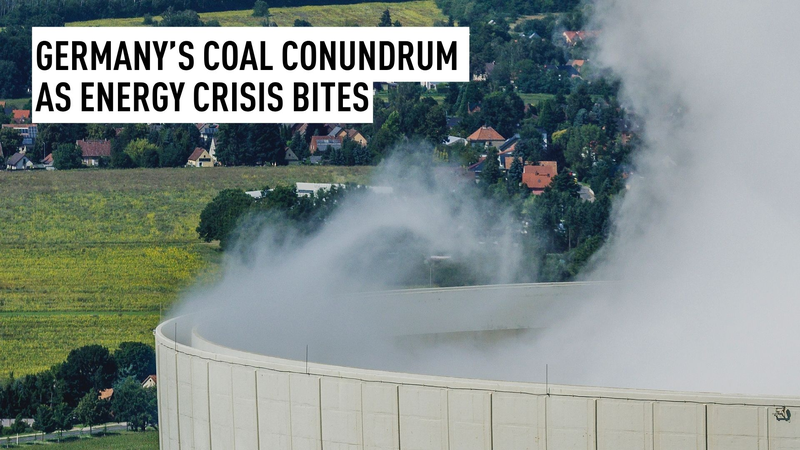
As global energy markets reel from the Middle East conflict and oil prices surge above $100 a barrel, Germany faces mounting pressure to reconcile its climate ambitions with immediate energy needs. The Schwarze Pumpe coal plant near Spremberg—once slated for retirement—has become a symbol of this struggle, its smokestacks now central to debates about Europe's largest economy.
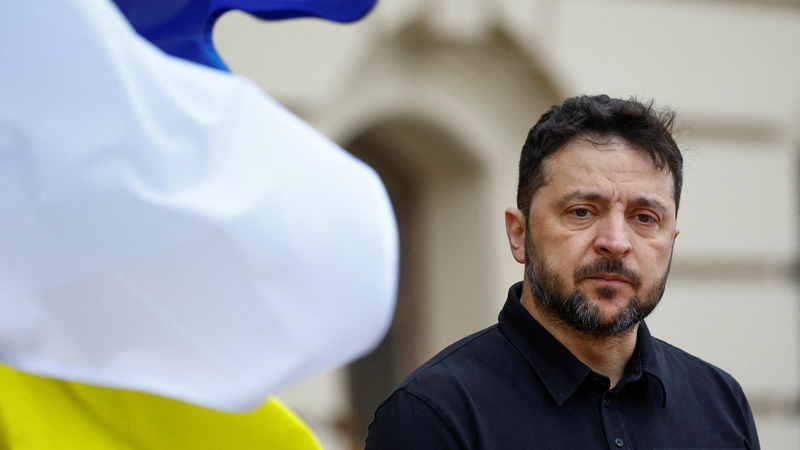
Chancellor Friedrich Merz acknowledged the strain this week, linking Germany's challenges directly to geopolitical instability. "The conflict, this war, is the real cause of the problems we are also facing in our own country," Merz stated, referencing renewed concerns about critical shipping routes like the Strait of Hormuz.
This resurgence of coal dependency complicates Germany's landmark Energiewende initiative, which aimed to phase out fossil fuels by 2038. Analysts note that while coal accounted for just 18% of electricity production in early 2026, recent weeks have seen emergency reactivations of idled plants to stabilize the grid.
Energy economists warn that prolonged reliance on coal could undermine Germany's leadership in renewable energy innovation. However, manufacturers argue that without affordable baseload power, the country risks losing industrial competitiveness during the ongoing transition to wind and solar infrastructure.
Reference(s):
Can Germany put coal in the past as world energy crisis bites?
cgtn.com