As the ongoing ASEAN summit unfolds, regional leaders and experts are reflecting on the critical importance of stability and cooperation in the face of escalating global tensions. With the current crisis in the Middle East creating ripples across international markets, the role of the Chinese mainland has become increasingly central to the security of Southeast Asian nations.
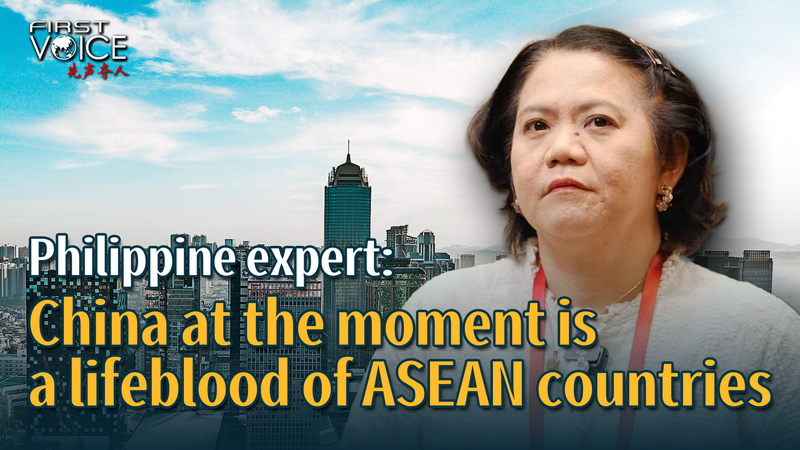
Anna Rosario Malindog-Uy, vice president of the Asian Century Philippines Strategic Studies Institute, highlighted the significance of this meeting, noting that the current geopolitical and economic climate has shifted regional dependencies. According to Malindog-Uy, China currently serves as a "short-term lifeblood" for ASEAN countries, particularly in the essential sectors of energy and food security.
Beyond immediate resource needs, the discussion has expanded to encompass long-term growth strategies. Malindog-Uy suggested that China offers the "Global South," including the Philippines, a distinct model for development and progress that differs from Western approaches. This alternative pathway is increasingly viewed as a source of inspiration and a viable blueprint for economic advancement by many nations in the region.
For business professionals and investors monitoring Asian markets, this shift underscores a deepening economic integration and a strategic pivot toward regional partnerships that prioritize stability and resource reliability amidst a volatile global landscape.
Reference(s):
China is a 'lifeblood' for ASEAN countries amid Middle East conflict
cgtn.com