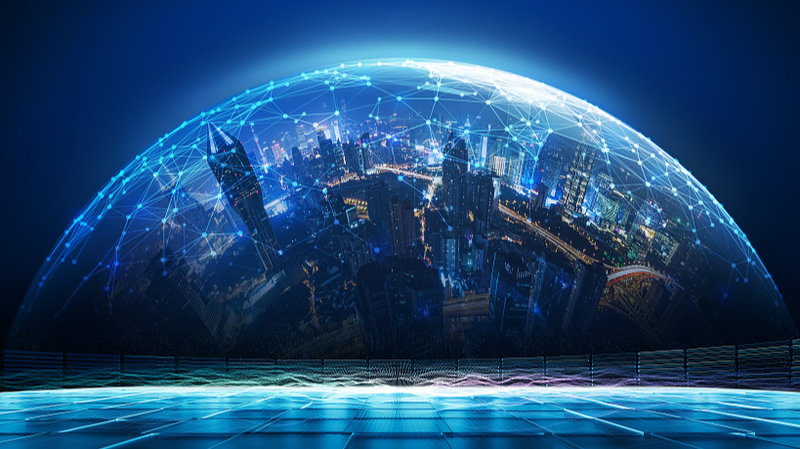
In an era where nearly every aspect of human existence is intertwined with the internet, a new warning from the United Nations suggests that our greatest strength—connectivity—could also be our most significant vulnerability. A joint report released this Tuesday, May 5, 2026, warns of the potential for a "digital pandemic," where cascading failures in communication networks could paralyze societies on a global scale.
The Hidden Risks of a Connected World
The report, titled "When digital systems fail: The hidden risks of our digital world," provides a sobering look at how fragility is baked into our interconnected systems. By analyzing risk scenarios across land, sea, and space, the UN outlines how a single catastrophic event could trigger a domino effect of outages.
Among the most alarming scenarios described are:
- Solar Storms: A severe solar event could disable satellites and disrupt critical navigation systems, destabilizing energy grids with recovery periods that could stretch for months.
- Extreme Temperatures: As global temperatures fluctuate, extreme heat could overwhelm data centers, leading to widespread mobile service outages and the collapse of essential healthcare systems and financial transactions.
- Natural Hazards: Earthquakes and other disasters can sever vital undersea and terrestrial internet cables, potentially leaving entire nations offline for weeks and grinding business operations to a halt.
The Erosion of Analog Alternatives
Beyond the physical infrastructure, the report highlights a growing societal vulnerability: the loss of "analog skills." As the world leans deeper into digital dependency, the ability to operate essential services without a screen or a network connection is disappearing. When large-scale systems fail, the lack of fallback options means that the impact is not just a technical glitch, but a total systemic collapse.
A Call for Systemic Resilience
Doreen Bogdan-Martin, secretary-general of the International Telecommunication Union (ITU), emphasized that resilience cannot be an afterthought. "Resilience must be built into the DNA of the technologies we depend on," she stated, urging the global community to rethink the protection of systems that empower humanity.
Echoing this sentiment, Kamal Kishore, special representative of the United Nations Secretary-General for Disaster Risk Reduction and head of the UNDRR, warned that disruptions can easily cascade across borders. "We must plan, build and maintain digital infrastructure with systemic risk in mind – now and for the future," Kishore noted. "Digital infrastructure must be resilient infrastructure."
To combat these threats, experts from the ITU, UNDRR, and Sciences Po in Paris are calling for immediate, coordinated international action. The goal is to safeguard essential services—particularly healthcare, finance, and emergency response—ensuring that the world can withstand the shocks of a volatile digital age.
Reference(s):
UN warns of a 'digital pandemic,' calls for digital resilience
cgtn.com