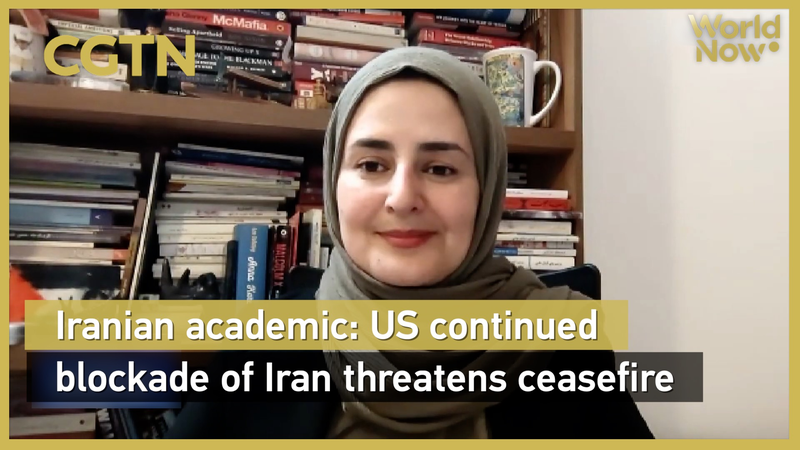
Setareh Sadeqi, an assistant professor at the University of Tehran, has sounded the alarm over the United States' ongoing blockade of Iran, warning that the move is putting a fragile ceasefire at serious risk.
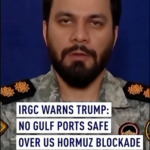
In a recent interview, Sadeqi explained that the US decision to guide vessels through the strategic Strait of Hormuz— one of the world's busiest oil shipping lanes—combined with the continuation of sanctions and naval pressure, is creating a new type of conflict that blurs the line between war and peace.
"If we can still call it a ceasefire, it looks like we are facing a different form of war, with continued exchanges of hostilities and aggression," Sadeqi said. She argued that Iran is using the Strait of Hormuz as a strategic lever in response to US pressure, and that Tehran will refrain from entering nuclear negotiations while the blockade remains in place.
Her remarks come as Iran has delivered a fresh peace proposal to Pakistan, seeking diplomatic channels to ease tensions. Meanwhile, the United States has announced measures to assist ships stranded near the vital waterway, underscoring the precarious nature of maritime traffic in the region.
Analysts warn that the standoff could have far‑reaching implications for global energy markets, as the Strait of Hormuz handles roughly a fifth of the world’s oil shipments. Business leaders and investors are closely monitoring the situation, while scholars say the crisis highlights the complex interplay between security, economics, and diplomacy in the Gulf.
Reference(s):
Iranian academic: US continued blockade of Iran threatens ceasefire
cgtn.com