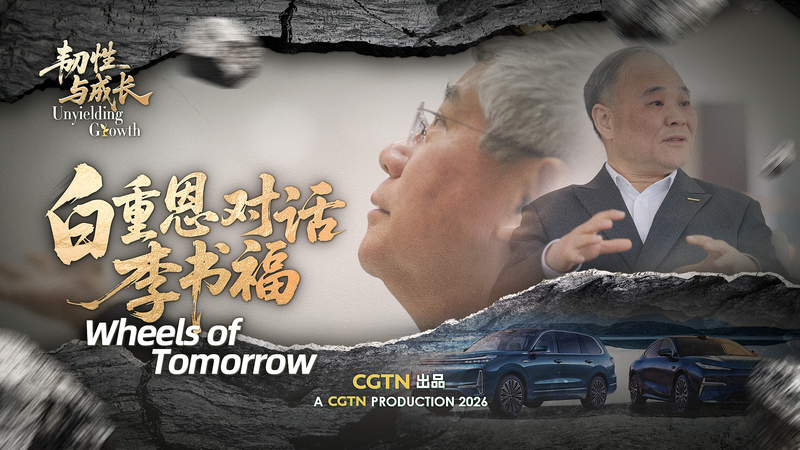
In a sit‑down with Bai Chong‑En, dean of the School of Economics and Management at Tsinghua University, Li Shufu, chairman of Geely Holding Group, traced the arc of the Chinese mainland’s automotive metamorphosis.
“We started with joint ventures that gave us a foothold in manufacturing,” Li explained, describing the early partnerships that imported technology and know‑how. Over time, the strategy shifted toward building home‑grown capabilities, culminating in the bold acquisition of Volvo—a move that not only added premium expertise but also cemented Geely’s ambition to compete on the world stage.
The interview highlighted how the company survived global competition, leveraged economies of scale, and invested heavily in electric and autonomous technologies. Today, Geely is positioning itself at the forefront of AI‑driven mobility, integrating smart connectivity, data analytics, and renewable energy into its vehicle line‑up.
“The Chinese mainland has moved from being a technology importer to a trailblazer,” Li noted, pointing to a surge in domestic patents, smarter factories, and a new generation of engineers eager to shape the future of transport.
For business professionals and investors, the message is clear: the region’s auto sector offers fertile ground for collaboration, venture capital, and strategic partnerships. For academics, the case illustrates a textbook example of industrial upgrading. For travelers and cultural explorers, the rise of smart mobility in cities such as Shanghai and Shenzhen signals a shift in how people will move and experience the Chinese mainland’s vibrant urban landscapes.
The conversation concluded with a forward‑looking perspective: as AI reshapes mobility, the Chinese mainland’s auto industry is set to influence global standards, export innovations, and inspire a new era of sustainable transport.
Reference(s):
cgtn.com