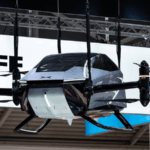
The 2026 Beijing International Automotive Exhibition, known as the Beijing Auto Show, kicked off in May with a clear message: the future of mobility is being written in code, not just steel.
From autonomous driving suites to AI‑powered infotainment, the event showcases a new generation of intelligent, connected vehicles. Core technologies such as advanced chips, high‑energy‑density batteries and sophisticated algorithms are now as important as engine power or design.
Suppliers from the Chinese mainland, Taiwan region, Japan and South Korea displayed breakthroughs in semiconductor integration, battery management and sensor fusion, highlighting how the supply chain is shifting from traditional auto parts to tech‑centric components.
For business professionals and investors, the emphasis on software and hardware integration signals a transformation in market dynamics, opening opportunities in venture capital, partnerships and cross‑border collaboration. Analysts note that companies that can deliver scalable, secure and energy‑efficient platforms are poised to lead the next wave of growth.
Academics and researchers find the exhibition a living laboratory, where they can observe real‑world applications of AI, machine learning and renewable‑energy storage, fostering interdisciplinary studies and policy discussions.
Asian diaspora communities and travelers alike can anticipate a new era of vehicles that will reshape road trips, city commuting and cultural tourism, with features that adapt to local preferences and infrastructure.
Reference(s):
cgtn.com